
Key Facts
- White or yellow spots on the throat may be caused by infections such as tonsillitis, strep throat, oral thrush, or mononucleosis, and can also result from tonsil stones or other conditions.
- Symptoms often include sore throat, fever, swollen lymph nodes, difficulty swallowing, or bad breath, depending on the underlying cause.
- Treatment varies: viral infections usually resolve on their own, bacterial infections require antibiotics, fungal infections need antifungal medication, and tonsil stones may be removed at home or by a doctor.
- Seek medical attention if symptoms are severe, persistent, or recurrent, especially with high fever, breathing difficulties, or suspected strep throat, to prevent complications.
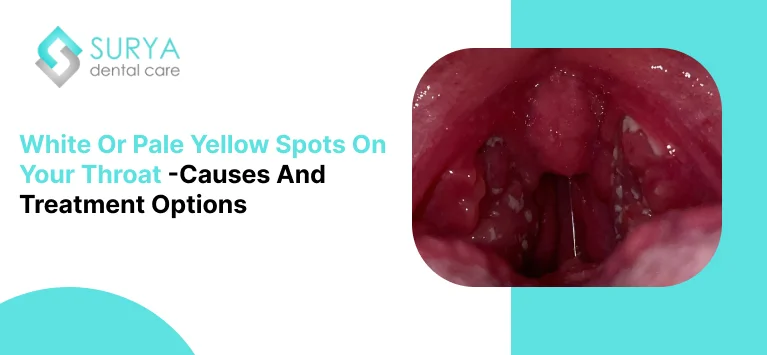
Those white or pale yellow spots on your throat often signal an infection. They’re typically the result of your tonsils working overtime to fight off something, whether it’s a bacterial, viral, or fungal intruder.
These spots, which can appear as streaks or patches often come with other symptoms like a sore throat, trouble swallowing, or a fever. While often harmless, it’s wise to get them checked out as prompt diagnosis can prevent complications. Read on to understand the typical culprits behind these spots and what they might mean for your health.
Tonsillitis
Tonsillitis refers to inflamed tonsils, the soft tissue lumps at the back of your throat that trap germs. Viruses, often those causing colds or the flu, are the usual culprits. Bacteria, particularly Group A Streptococcus, can also trigger tonsillitis, leading to strep throat.
You typically catch tonsillitis through close contact, sharing food, or inhaling airborne droplets. Children aged 5 to 15 face the highest risk. Symptoms often appear suddenly, including a sore or scratchy throat, pain when swallowing, swollen lymph nodes, and sometimes stomach pain or vomiting in younger children.
Viral tonsillitis is usually milder, resolving within a week without treatment. Bacterial tonsillitis may require antibiotics, with recovery taking around ten days.
Strep Throat
Group A Streptococcus bacteria cause strep throat, an infection of your throat and tonsils. It’s a leading cause of tonsillitis and shares risk factors like close contact in schools or crowded settings.
Strep throat commonly presents with white patches or streaks of pus on your tonsils, red and swollen tonsils, tiny red spots on the roof of your mouth, swollen lymph nodes, and a sudden sore throat. Children may also experience stomach pain, nausea, vomiting, or a rash known as scarlet fever.
A throat swab and rapid strep test confirm the diagnosis. If positive, antibiotics like penicillin are prescribed, and it is essential to complete the full course to prevent complications like rheumatic fever or kidney inflammation.
Oral Thrush
Oral thrush is a yeast infection, usually caused by Candida albicans overgrowth. Infants, toddlers, adults over 65, and individuals with weakened immune systems face a higher risk. Factors like steroid use, antibiotics, dentures, dry mouth, or smoking can increase susceptibility.
Thrush often appears suddenly with creamy white, slightly raised sores on the tongue, inner cheeks, or extending to the tonsils and throat. These sores may bleed if scraped, and you may notice soreness at the mouth corners, a loss of taste, or a cottony feeling in your mouth.
If the infection spreads to the esophagus, swallowing may become painful. Doctors typically diagnose thrush with a physical exam and may confirm with a microscopic sample. Antifungal medications like nystatin usually clear the infection within one to two weeks.
Mononucleosis
The Epstein-Barr virus (EBV) causes mononucleosis, commonly known as “the kissing disease.” It spreads through saliva, with symptoms emerging four to six weeks after infection.
Alongside white spots on your tonsils, you may experience a sore throat, extreme fatigue, fever, swollen lymph nodes, headaches, body aches, or a rash. In rare cases, the spleen or liver may swell.
Since it’s viral, antibiotics won’t help. Treatment focuses on symptom relief with fluids, rest, and over-the-counter pain and fever medications. Most symptoms resolve within two to four weeks, though fatigue can linger for months.
Tonsil Stones
Tonsil stones, or tonsilloliths, are small, hardened lumps that form in the natural crevices of your tonsils. They develop from trapped food debris, bacteria, mucus, and dead cells that calcify over time.
Many people don’t notice them, but they can cause bad breath, a sore throat, coughing, earache, trouble swallowing, or the feeling of something stuck in your throat. They’re more common in individuals with frequent tonsillitis, large tonsil pits, or dehydration.
Tonsil stones often resolve on their own. If bothersome, gargling salt water, coughing, using a water flosser, or gently dislodging with a cotton swab can help. Persistent stones may require removal by your doctor or dentist.

Other Causes of White Spots
Sexually transmitted infections (STIs)
STIs can cause white spots in your throat. HPV can infect the mouth and throat, occasionally leading to sores, warts, or white spots, with certain strains increasing oral cancer risk. Chlamydia can also affect the throat, requiring antibiotic treatment.
Leukoplakia
It is caused by irritants like tobacco or heavy alcohol use, can present as white or red patches in your mouth and throat, and may develop into oral cancer, warranting a biopsy. Lichen planus can cause lacy white patches in the throat, and other rare causes include oral herpes, canker sores, lupus,Behçet’s disease, and oral cancer.
COVID-19
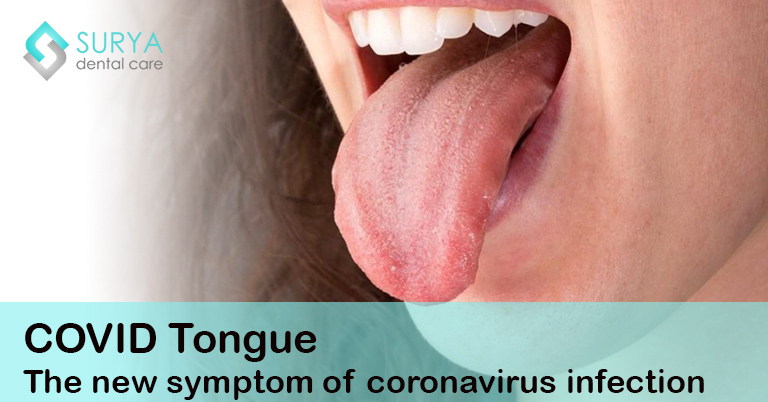
Some reports suggest COVID-19 might cause ulcerative mouth or throat lesions, appearing as white spots.
When to Seek Medical Attention
Seeing white spots on your throat can be concerning. While often due to infections, you should see your healthcare provider for an evaluation. Prompt diagnosis helps prevent complications, especially with conditions like strep throat.
Seek medical advice if you have severe or persistent symptoms, recurrent infections, difficulty breathing, or a fever over 101°F (38.3°C). If you have trouble breathing, seek immediate medical care, as it may indicate airway obstruction.
Your doctor will examine your throat, ears, and nose, check lymph nodes, and discuss your symptoms. They may perform a throat culture, rapid strep test, or blood tests to identify the cause.
Treatment and Self-Care
Treatment depends on the cause.
- Viral infections resolve on their own
- Bacterial infections require antibiotics.
- Fungal infections like thrush need antifungal medication.
Tonsil stones may clear on their own, but a doctor can remove persistent ones. Chronic tonsillitis may require a tonsillectomy if other treatments fail.
Home care can ease symptoms while you recover:
- Gargle warm salt water to reduce pain and swelling.
- Drink warm liquids like tea or broth for comfort.
- Use over-the-counter pain relievers for pain and fever.
- Rest to support your body’s recovery.
- Eat soft foods to ease swallowing.
- Avoid irritants like smoke, and use a humidifier to alleviate throat dryness.
Good hygiene, like regular handwashing and avoiding sharing food or drinks, helps prevent many infections. Regular dental checkups and proper inhaler use can also reduce oral infections.
Takeaway
White spots on your tonsils are often a sign that your immune system is at work, and with proper care, you can recover effectively. If you notice white spots on your throat, it’s really important to get checked out by your doctor or dentist. They can help figure out the cause and get you on the path to feeling better.
FAQs
Yellow spots often indicate pus from bacterial infection, such as strep throat or tonsillitis. They may also be tonsil stones trapping debris. Pain, swelling, or fever suggests infection and needs medical evaluation. Persistent or recurrent spots require further examination.
Treatment depends on the underlying cause. Strep throat requires antibiotics; viral causes need rest, fluids, and soothing remedies. Fungal infections need antifungal medication. Avoid self-diagnosing—see a healthcare provider for a throat swab and proper treatment plan.
Yes. Tonsillitis, especially when caused by viruses or bacteria, is contagious. It spreads through respiratory droplets, direct contact, or shared items. Good hygiene—like handwashing, avoiding close contact, and not sharing utensils—helps reduce the risk of transmission.
White spots can stem from bacterial or viral infections. Treatment depends on the cause—antibiotics for strep, supportive care for viral cases. Gargling warm salt water, staying hydrated, and avoiding irritants can help. Always get a proper diagnosis before starting treatment.
A yellow throat often signals infection, commonly bacterial, such as strep or tonsillitis. The yellow color may come from pus or mucus buildup. It can also appear with postnasal drip or sinus infections. A doctor’s exam confirms the cause and treatment.