

You had a cavity treated, got a dental filling, and thought the problem was over. But after some time, you notice that the filling has become loose or fallen out completely. Sometimes, this happens while eating. In other cases, you may simply notice a small hole or rough area when your tongue touches the tooth.
If your dental filling keeps falling out, it is worth finding out why. Replacing the filling without understanding the underlying problem may not provide a lasting solution.
A dental filling restores a tooth damaged by decay or minor fractures. However, the surrounding tooth structure, the condition of the old restoration and the pressure placed on the tooth while chewing can all affect how well the filling stays in place.
Understanding the reason behind a failed filling can help you get the right treatment and avoid further damage to your natural tooth.
Why Does a Dental Filling Keep Falling Out?
A dental filling does not last forever. Even a properly placed filling can become worn or damaged over time. However, if it repeatedly falls out, there may be an underlying issue that needs attention.
Here are some common reasons why a tooth filling may become loose or fall out.
1. The Filling Has Worn Out Over Time
Dental fillings are exposed to constant pressure from chewing, biting and grinding. Over the years, this repeated pressure can gradually wear down the material or weaken the bond between the filling and the tooth.
An older filling may develop small gaps around its edges, allowing food particles and bacteria to enter.
2. Tooth Decay Has Developed Around the Filling
A filling repairs an existing cavity, but it does not make the tooth permanently resistant to decay.
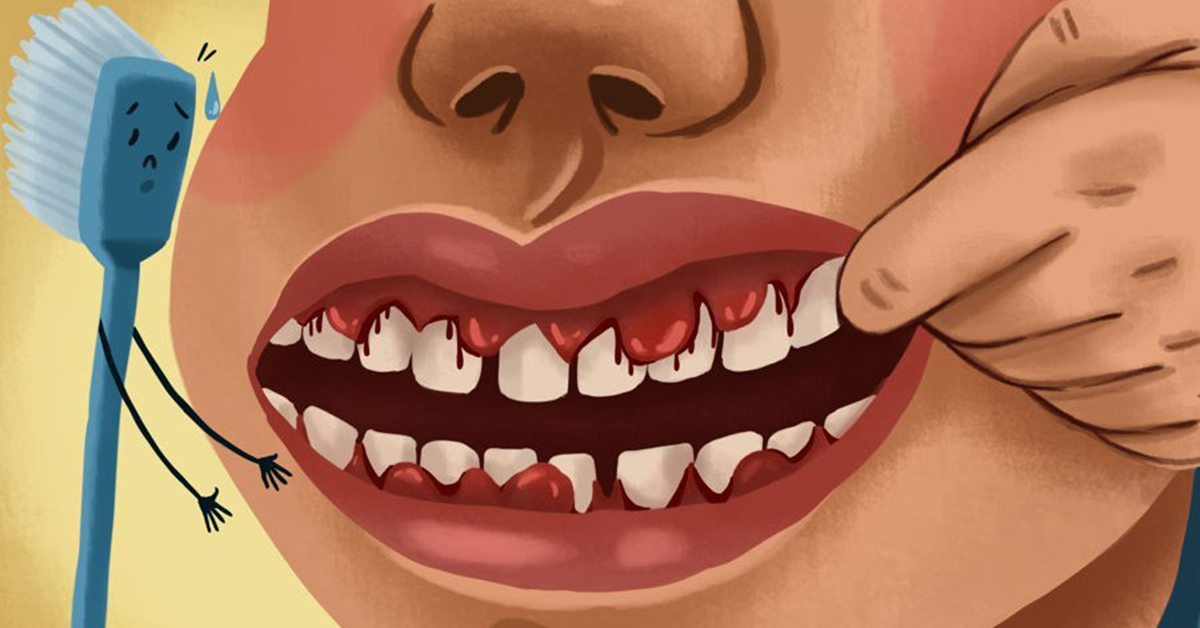
If bacteria accumulate around the edges of a filling, new decay can develop in the surrounding natural tooth structure. This may weaken the area supporting the restoration and cause the filling to loosen.
You may notice:
- Food frequently getting stuck around the filled tooth.
- Sensitivity when drinking something cold or hot.
- A rough or uneven surface near the filling.
- Discomfort while biting.
Sometimes, new decay develops without noticeable pain, so a dental examination is important.
3. The Filling Is Too Large for the Remaining Tooth Structure
When a large portion of a tooth has been affected by decay, there may not be enough healthy tooth structure to support a conventional filling.
The filling may initially appear stable, but repeated chewing pressure can cause the remaining tooth walls to weaken or fracture.
In such situations, your dentist may consider a dental crown to provide additional coverage and support, depending on the condition of the tooth.
4. Teeth Grinding and Clenching
Do you wake up with jaw discomfort or notice that your teeth feel sensitive in the morning?
You may be grinding or clenching your teeth, sometimes without realising it.
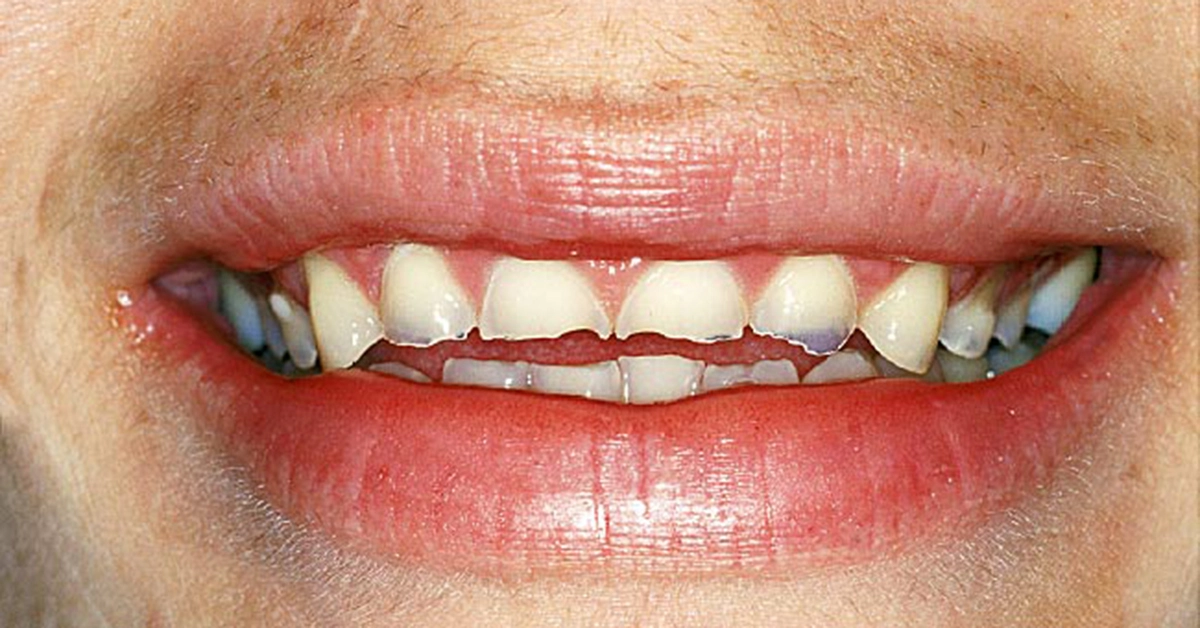
This habit, known as bruxism, places additional pressure on teeth and existing dental restorations. Over time, the repeated force can damage fillings, wear down enamel or contribute to cracks in the tooth.
If grinding is affecting your dental restorations, your dentist may recommend suitable ways to manage the pressure.
5. The Tooth Has Developed a Crack
Sometimes, the filling is not the actual problem. The natural tooth supporting it may have developed a crack.
This can happen due to biting hard foods, accidental injury, previous large fillings or repeated chewing pressure.
A cracked tooth may cause discomfort when biting or releasing pressure. However, some cracks produce very few symptoms in their early stages.
Simply replacing the filling may not address the underlying damage. The tooth needs to be examined to determine the appropriate restoration.
What Should You Do If Your Tooth Filling Falls Out?
Finding that your dental filling has fallen out can be uncomfortable, especially if the tooth becomes sensitive.
Until you can visit a dentist, take a few precautions to protect the affected area.
- Rinse your mouth gently: Use lukewarm water to remove food particles from the area.
- Avoid chewing on that side: The exposed tooth may be weaker than normal and could sustain further damage.
- Stay away from hard and sticky foods: Nuts, hard candies and sticky snacks can increase pressure on the affected tooth.
- Keep the area clean: Continue brushing carefully and maintain your regular oral hygiene routine.
- Do not attempt to glue the filling back: Household adhesives can damage oral tissues and complicate treatment.
- Arrange a dental examination: A dentist needs to identify why the filling came out before deciding how to restore the tooth.
Even if there is no pain, do not assume that the tooth is completely fine. An examination can help identify problems that may not be visible to you.
Does a Fallen Dental Filling Always Need to Be Replaced?
Not necessarily. The appropriate treatment depends on how much healthy tooth structure remains and why the original filling failed.
After examining the tooth, your dentist may discuss one of the following options.
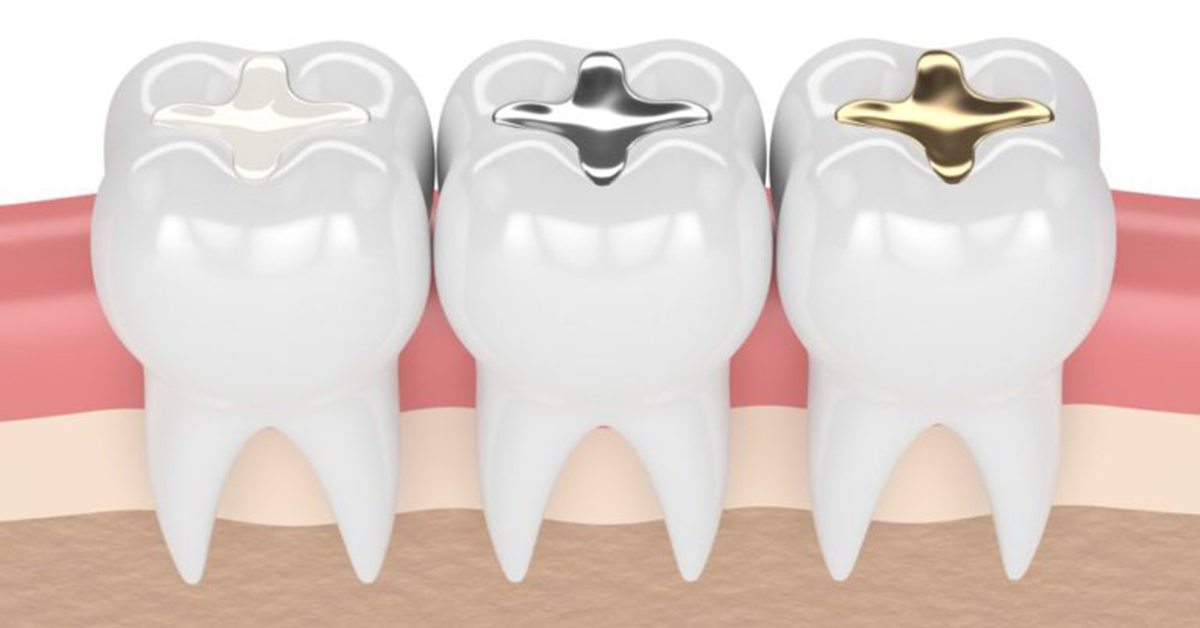
1. Dental Filling Replacement
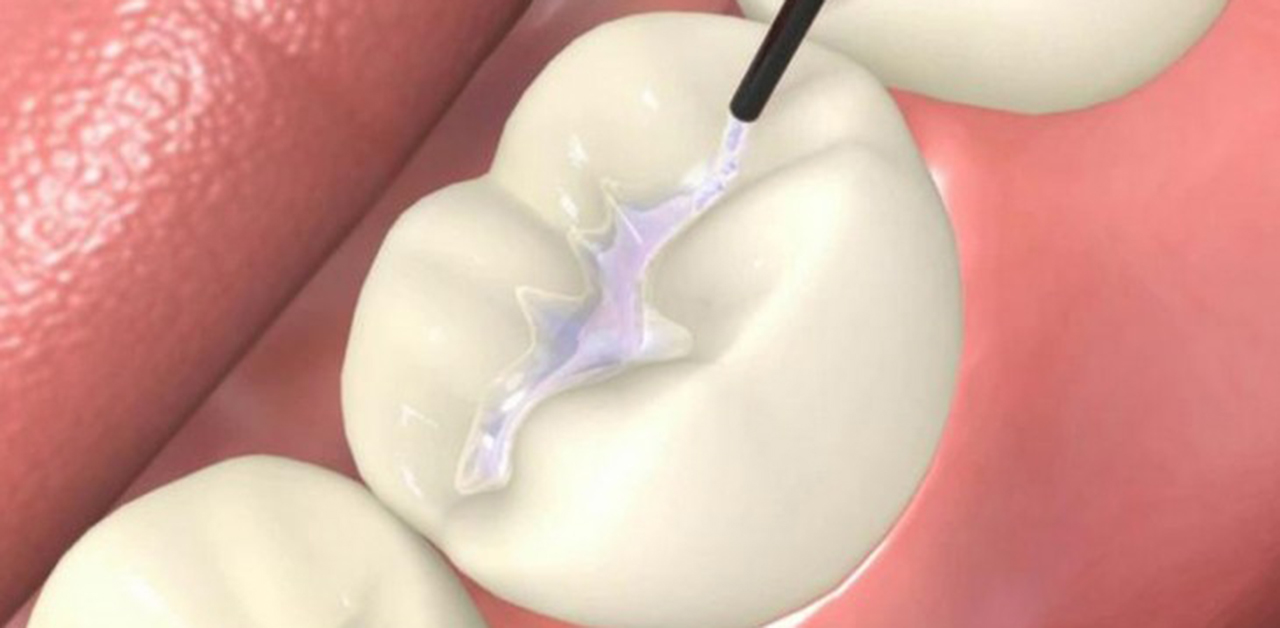
If the remaining tooth is healthy and strong enough to support a restoration, the dentist may remove any damaged material, clean the affected area and place a new filling.
Tooth-coloured composite fillings can restore the shape and function of a tooth while blending with its natural appearance.
2. Dental Crown
If a large portion of the tooth is weakened or damaged, another filling may not provide sufficient support.
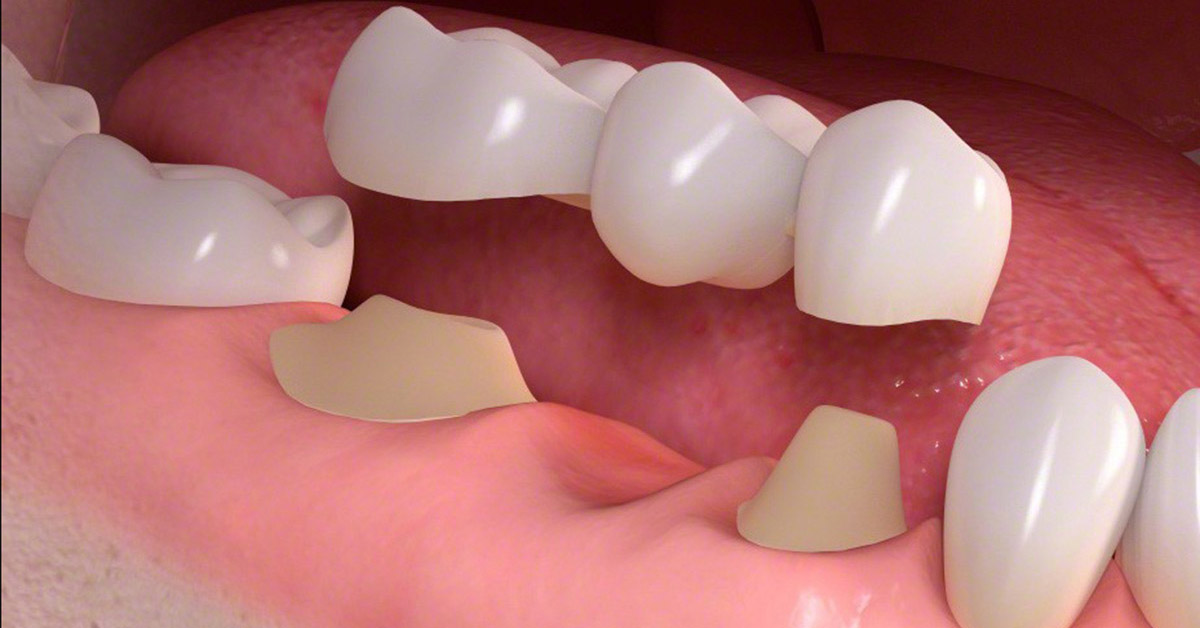
A dental crown is a custom-made covering placed over the prepared tooth to restore its shape, strength and function.
Your dentist may recommend a crown when:
- A large filling has repeatedly failed.
- A significant portion of the tooth is damaged.
- The tooth has a fracture that requires additional protection.
- The remaining tooth structure cannot reliably support another filling.
3. Root Canal Treatment
If the decay or damage has reached the pulp, which contains the nerves and blood vessels inside the tooth, root canal treatment may be necessary.
The procedure involves removing the affected pulp tissue, cleaning the root canals and sealing them.
A suitable final restoration is then planned to protect the remaining tooth structure. Depending on the tooth and the extent of damage, a crown may also be recommended.
Not every fallen filling requires root canal treatment. The dentist will determine this based on the examination and appropriate diagnostic tests.
How Can You Prevent Dental Fillings from Falling Out Again?
Although no filling lasts forever, certain habits can help protect your dental restorations.
- Brush twice daily using fluoride toothpaste.
- Clean between your teeth regularly to remove food particles.
- Avoid chewing ice or biting hard objects.
- Limit frequent sugary snacks and drinks.
- Address teeth grinding if you experience it.
- Visit your dentist regularly to monitor existing fillings.
If you already have multiple fillings, routine dental examinations can help identify worn edges, cracks or new decay before they become more complicated problems.
When Should You Visit a Dentist?
A lost or loose filling should not be ignored, even when it does not cause immediate discomfort.
Try to arrange a dental examination promptly, particularly if you notice:
- Increasing sensitivity to hot or cold foods.
- Pain while biting or chewing.
- A visible hole in the tooth.
- A filling that repeatedly becomes loose.
- A sharp or broken edge irritating your tongue.
- Swelling around the affected tooth or nearby gums.
Severe pain, facial swelling, fever or difficulty swallowing requires urgent professional assessment.
The earlier the underlying problem is identified, the more options may be available to restore and preserve the natural tooth.
Frequently Asked Questions
1. Why does my tooth filling keep falling out?
A filling may repeatedly fall out because of normal wear, new decay around its edges, cracks in the tooth, excessive biting pressure or insufficient healthy tooth structure to support it. A dentist can examine the tooth to identify the actual reason.
2. Can a fallen dental filling be replaced?
Yes. In many cases, a fallen filling can be replaced. However, the dentist must first check whether the surrounding tooth structure is healthy enough to support another filling. Some teeth may need a crown or additional treatment.
3. Can I leave my tooth without a filling if it does not hurt?
It is not advisable to leave a tooth with a missing filling untreated. Even without pain, the exposed area can collect food particles and bacteria. The remaining tooth may also be vulnerable to further damage.
4. Does a dental crown last longer than a filling?
A dental crown generally provides broader protection for a weakened tooth than a filling. However, their suitability depends on the extent of damage, the remaining tooth structure, the material used and oral hygiene. Neither restoration is permanent.
5. Is it painful to replace a dental filling?
Dental filling replacement is generally performed using local anaesthesia when needed. This helps minimise discomfort during the procedure. Your dentist will explain what is required based on the condition of the tooth.