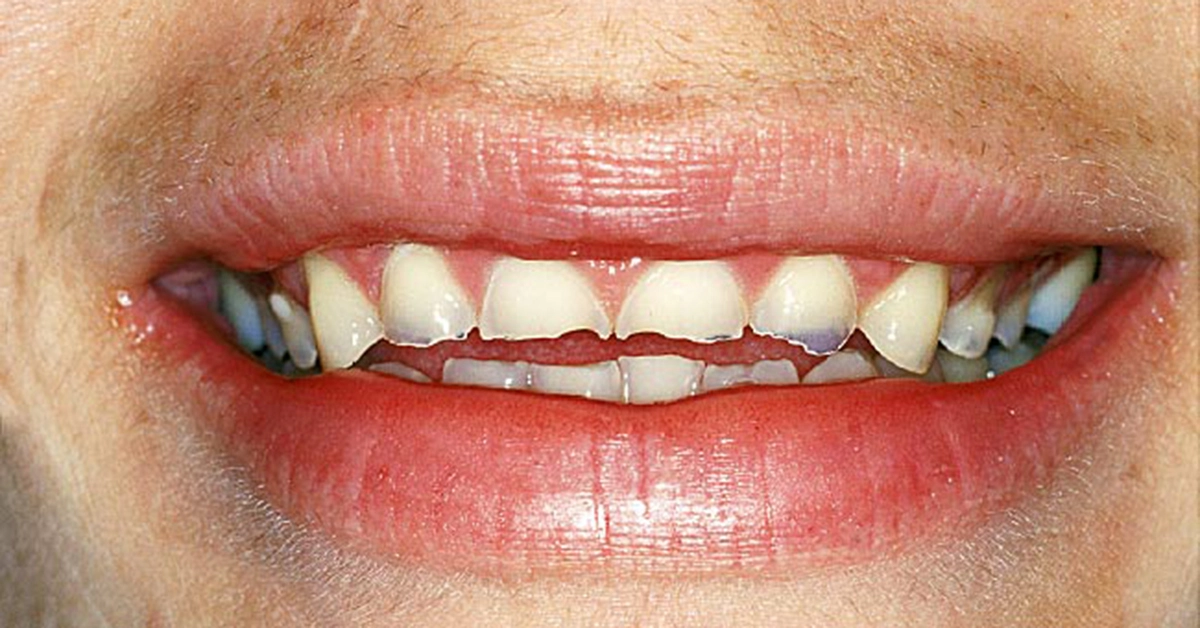


A chipped or broken tooth can happen unexpectedly while eating, playing sports, or accidentally biting something hard. Sometimes the damage may look small and cause no pain, while in other cases, it can lead to sensitivity, discomfort, or difficulty chewing.
Regardless of how minor the damage appears, it is important to have the tooth examined by a dentist. Early treatment can help prevent further damage and protect the remaining tooth structure.
If you have a chipped or broken tooth, understanding the available treatment options can help you take the right next step.
What Causes a Tooth to Chip or Break?
Teeth are strong, but they can still become damaged due to pressure, injury, or weakened enamel. Some common causes include:
- Biting hard foods: Chewing ice, hard candies, nuts, or other hard objects can cause a tooth to chip or crack.
- Accidental injuries: Falls, sports injuries, or unexpected impacts to the mouth can damage teeth.
- Untreated tooth decay: Large cavities can weaken the tooth structure and make it more likely to break.
- Teeth grinding: Regular grinding or clenching can put excessive pressure on teeth and gradually weaken them.
- Large fillings: Teeth with extensive fillings may have less natural structure to support them, increasing the risk of fractures.
- Age-related wear: Years of chewing and everyday use can make teeth more vulnerable to damage.
Identifying the cause is important because the dentist needs to treat not only the visible damage but also any underlying problem.
How Do You Know If Your Tooth Is Chipped or Broken?
The symptoms depend on how much of the tooth has been damaged. Some people notice the damage immediately, while others experience symptoms only when eating or drinking.
Look out for these signs:
- A rough or uneven edge on the tooth.
- A visible chip or missing piece of enamel.
- Pain while biting or chewing.
- Sensitivity to hot, cold, or sweet foods.
- Swelling or discomfort around the affected tooth.
- A sharp edge that irritates your tongue or cheek.
- A visible crack or fracture.
Even if you do not experience pain, a damaged tooth should be checked by a dentist. Some cracks are difficult to identify without a proper dental examination.
What Should You Do Immediately After Breaking a Tooth?
Taking the right steps immediately can help protect the damaged tooth until you visit a dentist.
- Rinse your mouth gently: Use lukewarm water to clean the affected area and remove any food particles.
- Save the broken piece: If you can find the broken fragment, keep it in a clean container. Take it with you to the dental appointment.
- Avoid chewing on that side: Use the opposite side of your mouth to prevent additional pressure on the damaged tooth.
- Apply a cold compress: If there is swelling, place a cold compress on the outside of your cheek for short intervals.
- Protect sharp edges: Dental wax can temporarily cover a sharp edge if it is irritating your tongue or cheek.
- Contact a dentist: Arrange an examination as soon as possible, especially if you have pain, swelling, or a large fracture.
Do not try to repair the tooth using household glue or other materials. Avoid placing aspirin directly on the tooth or gums.
If you have severe pain, uncontrolled bleeding, facial swelling, or a tooth that has been displaced or knocked out, seek urgent dental care.
What Are the Treatment Options for a Chipped or Broken Tooth?
The right treatment depends on the size of the damaged area, the location of the fracture, and whether the inner part of the tooth has been affected.
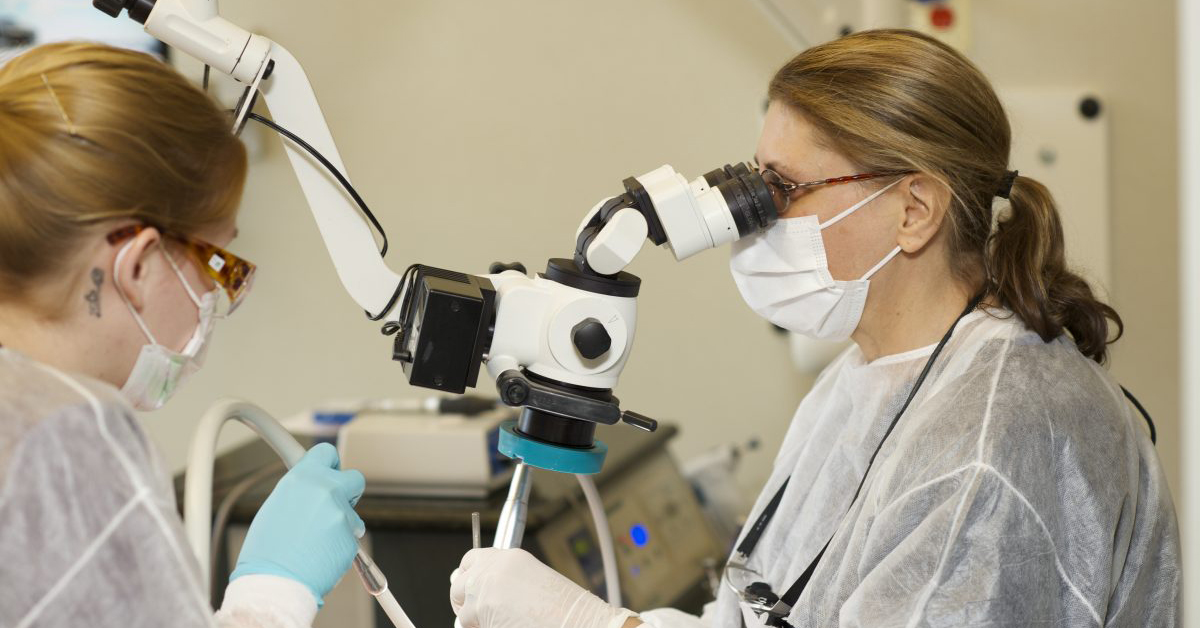
A dentist will examine the tooth and may recommend an X-ray to understand the extent of the damage.
1. Dental Bonding for Minor Chips
Dental bonding is commonly used to repair small chips and minor cosmetic damage. A tooth-coloured composite resin is applied to the affected area and shaped to restore the tooth’s appearance.
It may be suitable for:
- Small chips on front teeth.
- Minor enamel damage.
- Slightly uneven or rough tooth edges.
Bonding is usually a simple procedure, but the repaired area may need maintenance over time.
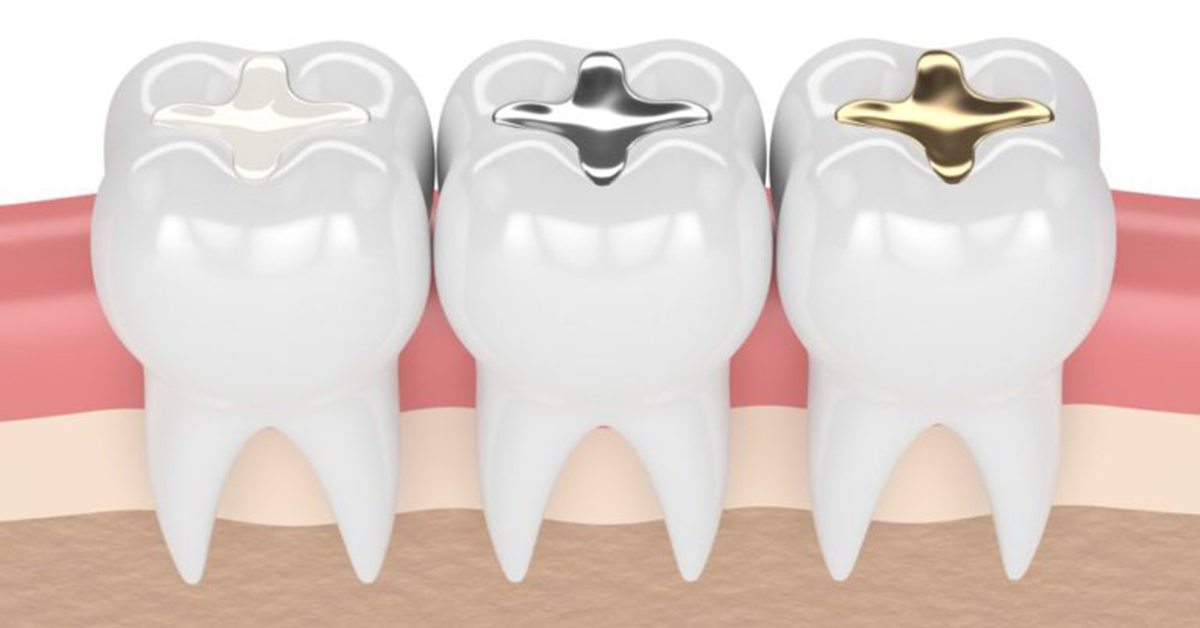
2. Dental Fillings for Small Damaged Areas
If a small portion of the tooth is broken or damaged by decay, a dental filling may be recommended. The dentist removes any affected tooth material and restores the area using a suitable filling material.
Fillings help restore the tooth’s shape and function when the damage is limited.
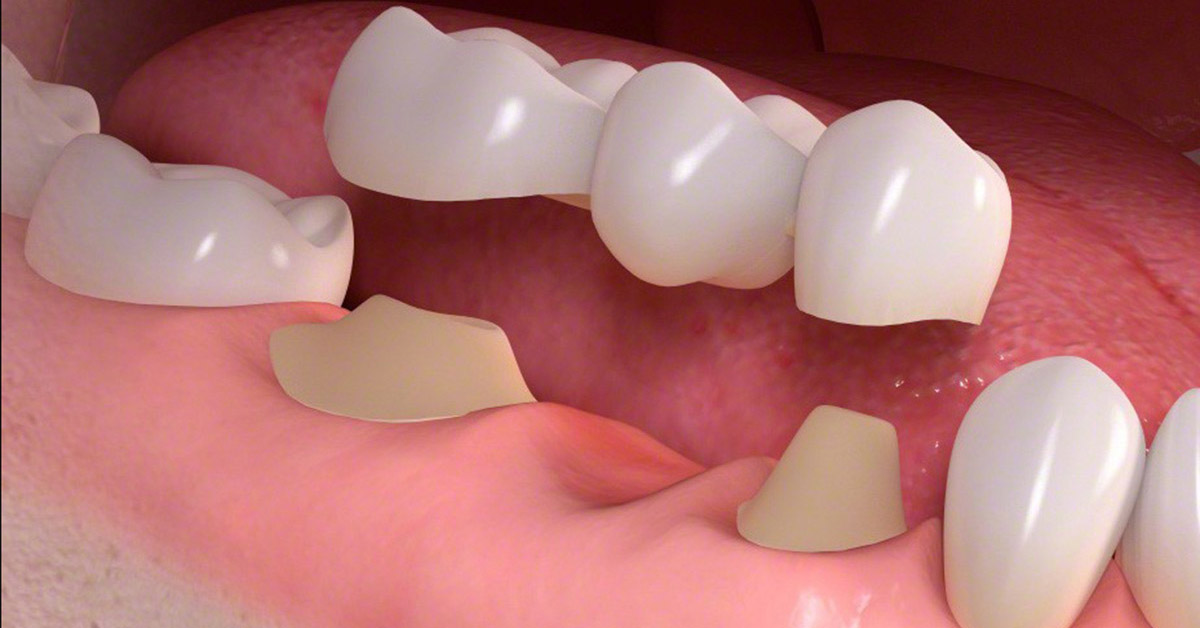
3. Dental Crowns for Larger Fractures
When a significant portion of the tooth is damaged, a dental crown may be recommended. A crown covers the visible part of the tooth and helps protect the remaining structure.
A dental crown may be considered when:
- A large part of the tooth has broken.
- The tooth has become weak after extensive decay or a large filling.
- The tooth needs additional protection after root canal treatment.
The dentist will assess whether enough healthy tooth structure remains to support a crown.
4. Root Canal Treatment When the Inner Tooth Is Affected
If the fracture extends into the pulp, which contains the tooth’s nerves and blood vessels, the tooth may become painful or infected.
In such cases, root canal treatment may be needed to remove the affected pulp, clean the inside of the tooth, and seal it. A crown may also be recommended to protect the remaining tooth structure.
5. Tooth Extraction in Severe Cases
If the tooth is severely fractured, extends below the gum line, or cannot be restored safely, extraction may be necessary.
The dentist will explain whether the tooth can be saved and discuss suitable replacement options if extraction is required.
Can a Broken Tooth Heal on Its Own?
No. Unlike bones, a chipped or broken tooth cannot naturally grow back or repair lost enamel.
A very small chip may not cause immediate discomfort, but the damaged area can become more vulnerable to further wear or decay. A crack may also extend over time, especially when pressure is repeatedly placed on the tooth.
Getting the tooth examined early helps the dentist determine whether simple repair or more extensive treatment is needed.
How Can You Prevent Your Teeth from Chipping or Breaking?
Although not every dental injury can be prevented, a few everyday habits can reduce the risk of tooth damage.
- Avoid chewing ice, hard candies, and other extremely hard objects.
- Wear a mouthguard while playing contact sports.
- If you grind your teeth at night, ask your dentist whether a night guard is suitable.
- Maintain regular dental check-ups to identify cavities and weakened teeth early.
- Treat tooth decay before it causes extensive damage.
- Avoid using your teeth to open packets, bottles, or other objects.
Good oral hygiene and timely dental care can help keep your teeth strong and reduce the chances of preventable damage.
When Should You Visit a Dentist for a Broken Tooth?
Do not wait for pain to develop before seeking dental advice. Schedule an examination if you notice a visible chip, crack, rough edge, or discomfort while chewing.
Seek urgent dental attention if you experience:
- Severe or persistent tooth pain.
- Swelling around the tooth or face.
- Bleeding that does not stop.
- A deep fracture with visible inner tooth tissue.
- A tooth that has become loose or moved out of position.
A timely examination helps identify the extent of the damage and the most appropriate treatment.
Restore Your Smile with the Right Dental Care at Surya Dental Care
A chipped or broken tooth can affect more than just your smile. It may also make eating uncomfortable and increase the risk of further dental problems if left untreated.
At Surya Dental Care, a dental examination can help identify the extent of tooth damage and determine the appropriate treatment based on your dental condition. Whether the damage requires a simple repair or a more detailed procedure, getting professional advice early can help protect your natural tooth.
Frequently Asked Questions
1. Is a chipped tooth a dental emergency?
A small chip without pain may not require emergency treatment, but it should still be examined by a dentist. Severe pain, swelling, bleeding, or a deep fracture requires urgent dental attention.
2. Can a dentist fix a broken tooth in one visit?
Some minor chips can be repaired in a single appointment using dental bonding or a filling. Larger fractures may require additional visits for crowns or other treatments.
3. Does a chipped tooth always need a crown?
No. Small chips may only require dental bonding or a filling. Crowns are generally considered when a larger portion of the tooth is damaged or needs additional protection.
4. What happens if I leave a broken tooth untreated?
An untreated broken tooth may become more damaged over time. It can also develop sensitivity, decay, infection, or pain, depending on the extent of the fracture.
5. Can a broken tooth be saved?
In many cases, yes. Treatment depends on how much of the tooth remains and whether the root and inner structures are affected. A dentist can assess whether the tooth can be restored.