

Have you ever finished a meal and noticed that a small piece of food is stuck between your teeth? You might rinse your mouth, use your tongue to remove it, and carry on with your day. But when it happens almost every day, especially in the same spot, it can become frustrating.
Food getting stuck between teeth is not always a serious problem. However, if it happens frequently, it may be related to a cavity, changes in your gums, gaps between teeth, or an issue with an existing filling. Understanding the reason can help you take better care of your teeth and know when to visit a dentist.
Is It Normal for Food to Get Stuck Between Your Teeth?
Occasionally, yes. Foods such as meat, leafy vegetables, and fibrous fruits can get trapped between teeth, even when you maintain good oral hygiene.
The concern begins when you notice a change in your usual routine. For example, food may suddenly start collecting between two teeth where it never did before, or you may need to floss the same area repeatedly after every meal.
Pay attention if food trapping is accompanied by:
- Pain or sensitivity while chewing.
- Bleeding or swollen gums.
- Persistent bad breath.
- A new gap between your teeth.
- Discomfort around a filling, crown, or bridge.
These symptoms do not always indicate a serious dental condition, but recurring problems deserve a professional examination.
5 Common Reasons Why Food Gets Stuck Between Your Teeth
1. Gaps Between Your Teeth
Some people naturally have small spaces between their teeth. These spaces can allow food particles to collect during meals, particularly when eating fibrous or sticky foods.
Small gaps are not necessarily a problem if they are easy to clean. However, if food repeatedly gets trapped in one area, a dentist can check whether the space is contributing to the issue.
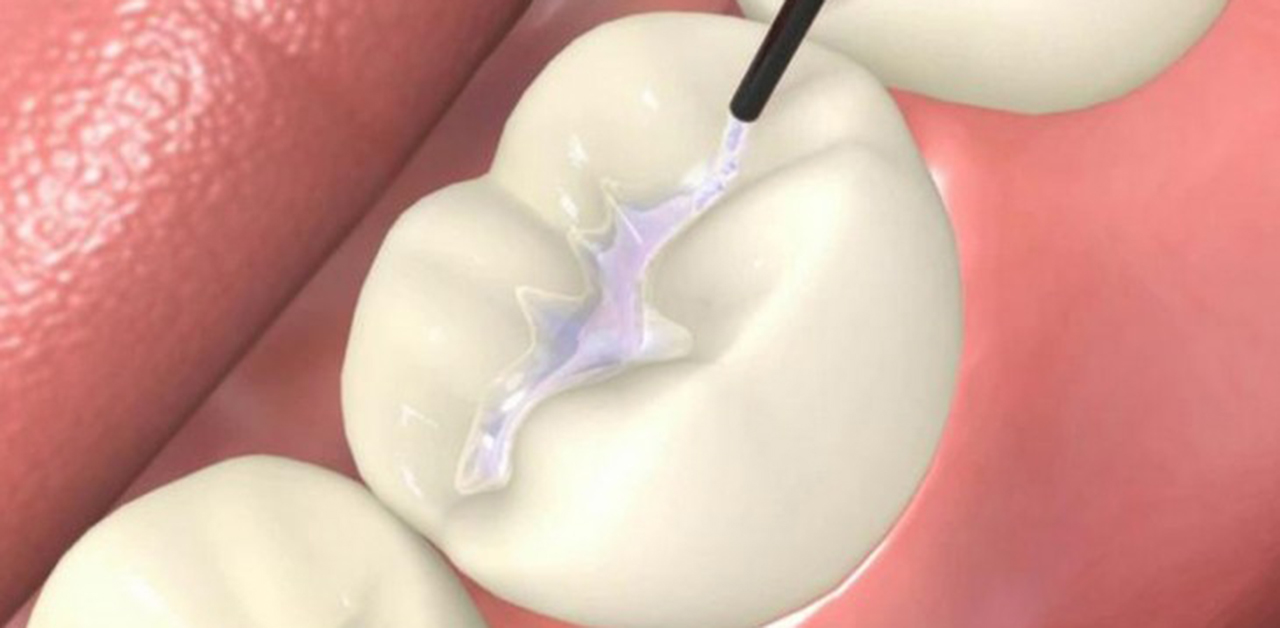
2. Cavities Between Teeth
Not every cavity is visible when you look in the mirror. Tooth decay can develop between two neighbouring teeth, making it difficult to notice without a dental examination.
As the tooth structure changes, food may begin collecting in an area that previously felt normal. You might also experience sensitivity to cold drinks or discomfort when chewing, although some cavities cause no noticeable symptoms.
What you should do: If food suddenly starts getting stuck in the same spot, particularly with pain or sensitivity, arrange a dental check-up.
3. Gum Problems
Your gums play an important role in supporting the teeth. When gum disease affects the tissues surrounding your teeth, the spaces around them may change, making food trapping more noticeable.
You may also notice:
- Bleeding while brushing or flossing.
- Red, swollen, or tender gums.
- Persistent bad breath.
- Changes in the appearance of your gums.
Maintaining oral hygiene is important, but existing gum disease may require professional treatment.
4. Worn or Damaged Dental Fillings
Dental fillings restore teeth affected by cavities. Over time, a filling may wear down, chip, or develop an edge that allows food to collect around it.
If food regularly gets stuck around a tooth that has already been treated, the filling or the contact between neighbouring teeth may need to be checked.
A dentist can determine whether the filling needs adjustment, repair, or replacement. Avoid trying to fix or reshape it yourself.
5. Changes in Tooth Position
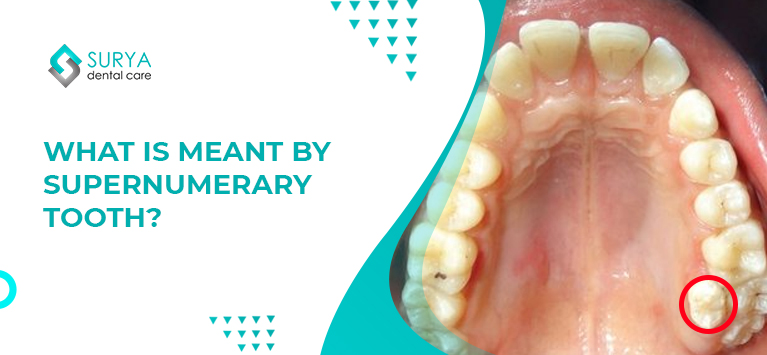
Teeth can shift over time, and changes in their alignment may create new spaces where food can become trapped. Missing teeth and changes following orthodontic treatment can also affect how neighbouring teeth fit together.
If you notice a new gap or a change in your bite, a dental examination can help identify the cause and determine whether any treatment is needed.
How to Remove Food Stuck Between Your Teeth Safely
When food gets trapped, it can be tempting to remove it immediately using whatever is available. However, using excessive force or sharp objects can injure your gums.
Try these simple methods instead:
- Rinse with water: Swish plain water around your mouth to help loosen food particles.
- Use dental floss: Gently guide the floss between your teeth without snapping it into your gums.
- Try an interdental brush: Use an appropriately sized brush if it fits comfortably between your teeth.
- Brush twice daily: Fluoride toothpaste helps protect against tooth decay and supports good oral hygiene.
- Avoid sharp objects: Never use pins, needles, or other sharp metal objects to remove trapped food.
If the food remains stuck or the same area causes repeated discomfort, consult a dentist instead of continuing to poke at it.
Can Food Getting Stuck Between Your Teeth Cause Bad Breath?
Yes, trapped food can contribute to unpleasant breath. Food particles can collect alongside plaque and bacteria, producing unpleasant odours if they are not removed.
However, bad breath is not always caused by food debris. Gum disease, tooth decay, dry mouth, and other conditions may also contribute to the problem.
If you continue to experience bad breath despite brushing and cleaning between your teeth, a dental check-up can help identify the underlying cause.
When Should You Visit a Dentist?
Occasional food trapping may not require treatment, but frequent food trapping in the same place should not be ignored.
Consider booking a dental appointment if you experience:
- Food repeatedly getting stuck between the same teeth.
- Pain or sensitivity while eating.
- Bleeding or swollen gums.
- A chipped filling or discomfort around a crown.
- Persistent bad breath despite regular cleaning.
- A noticeable change in the spacing between your teeth.
A dentist can examine your teeth and gums and recommend further tests, including dental X-rays when appropriate.
Severe or rapidly worsening dental pain, facial swelling, or fever requires urgent professional assessment. Difficulty breathing or swallowing with facial or mouth swelling is a medical emergency.
Simple Habits to Prevent Food From Getting Stuck Between Your Teeth
Although food trapping cannot always be prevented, consistent oral care can help keep your teeth and gums healthy.
Here are a few habits worth following:
- Clean between your teeth daily: Use dental floss or an appropriate interdental cleaner to remove food and plaque from areas your toothbrush may miss.
- Maintain regular dental check-ups: Routine examinations can help identify cavities, gum problems, and issues with dental restorations.
- Do not ignore sudden changes: If food starts getting trapped in a new area, have it checked.
- Take care of existing dental work: Follow your dentist’s instructions for cleaning around fillings, crowns, and bridges.
- Brush gently and consistently: Brush twice daily with toothpaste without applying excessive pressure.
These small habits can make everyday cleaning more comfortable and help you recognise potential dental problems earlier.
Final Thoughts
Food getting stuck between your teeth may seem like a small inconvenience, but recurring problems can sometimes indicate changes in your teeth or gums.
Pay attention to where it happens, clean between your teeth gently, and avoid using sharp objects to remove trapped food. If the problem continues, a dental examination can help identify the cause before it becomes more uncomfortable.
At Surya Dental Care, you can seek professional guidance about concerns involving tooth decay, gum health, and dental restorations. If you have noticed persistent food trapping or changes in your oral health, consider scheduling a dental consultation.
Frequently Asked Questions
1. Why does food keep getting stuck between the same two teeth?
It may be caused by a natural gap, tooth decay, gum changes, shifting teeth, or a problem with an existing filling or crown. If it happens regularly in the same area, a dentist can examine the cause.
2. Can food getting stuck between teeth be a sign of a cavity?
Yes. A cavity between two teeth can change the tooth surface and allow food to collect. Some cavities develop without pain, so a dental examination may be necessary.
3. Is it safe to remove food stuck between teeth with a toothpick?
Use caution, as forceful or repeated use of toothpicks can injure your gums. Dental floss or a properly sized interdental cleaner is generally preferable. Avoid sharp metal objects.
4. Why do my gums bleed when food gets stuck between my teeth?
Bleeding may be associated with gum inflammation or irritation caused by forceful cleaning. If it happens repeatedly, consult a dentist to identify the cause.
5. Can food stuck between teeth cause bad breath?
Yes. Trapped food can contribute to unpleasant breath when it combines with plaque and bacteria. Persistent bad breath may also be associated with gum disease, tooth decay, or dry mouth.