

Dental caries, commonly known as tooth decay or cavities, is one of the most common dental problems affecting children and adults. It develops when bacteria in the mouth produce acids that gradually damage the hard outer layer of the tooth. If it is not treated early, dental caries can progress deeper into the tooth and may eventually cause severe pain, infection, or even tooth loss.
The good news is that dental caries can often be prevented, especially with good oral hygiene and regular dental check-ups. Understanding the causes, symptoms, stages, and treatment options can help you protect your teeth and seek treatment before the problem becomes serious.
What Is Dental Caries?
Dental caries is the gradual destruction of tooth structure caused by acids produced by bacteria in dental plaque.
Whenever you eat foods containing sugars and carbohydrates, bacteria in your mouth feed on them and produce acids. These acids attack the minerals in the tooth enamel. Repeated acid attacks can weaken the enamel and eventually create a cavity.
Dental caries can affect any tooth, but it is more likely to develop in areas where food and plaque easily collect, such as:
- Grooves and pits on the chewing surfaces of back teeth
- Between two teeth
- Near the gumline
- Around existing dental fillings
- Areas that are difficult to clean properly
Without treatment, a small cavity can become progressively deeper and affect the inner parts of the tooth.
What Causes Dental Caries?
Dental caries does not usually develop because of one single factor. It is often the result of several factors working together.
Poor oral hygiene
Not brushing and cleaning the teeth properly allows plaque to accumulate. Plaque contains bacteria that produce acids and increase the risk of tooth decay.
Frequent consumption of sugary foods
Sweets, chocolates, cakes, biscuits, soft drinks, packaged juices, and other sugary foods can contribute to tooth decay. The frequency of sugar exposure can be particularly important because each exposure can trigger an acid attack.
Sticky foods
Foods that stick to the teeth can remain in the mouth for longer periods. This gives bacteria more time to produce acids that attack the enamel.
Dry mouth
Saliva helps wash away food particles and neutralize acids in the mouth. Reduced saliva production can therefore increase the risk of dental caries.
Poor dietary habits
A diet high in sugar and refined carbohydrates can increase the chances of developing cavities, particularly when these foods are consumed frequently between meals.
Lack of fluoride
Fluoride helps strengthen tooth enamel and makes it more resistant to acid attacks. Insufficient fluoride exposure can increase the risk of tooth decay.
Symptoms of Dental Caries
Dental caries may not cause noticeable symptoms during its earliest stage. This is one reason regular dental examinations are important.
As decay progresses, you may notice:
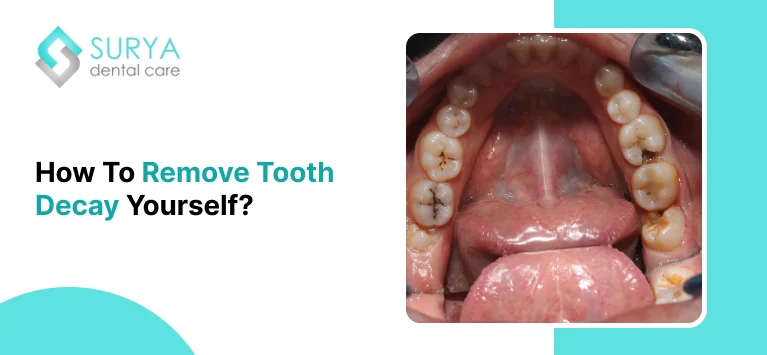
- White, brown, or black spots on the tooth
- Increased sensitivity to hot or cold foods and drinks
- Toothache or occasional pain
- Pain while eating sweets
- Food getting stuck between teeth
- Pain when biting or chewing
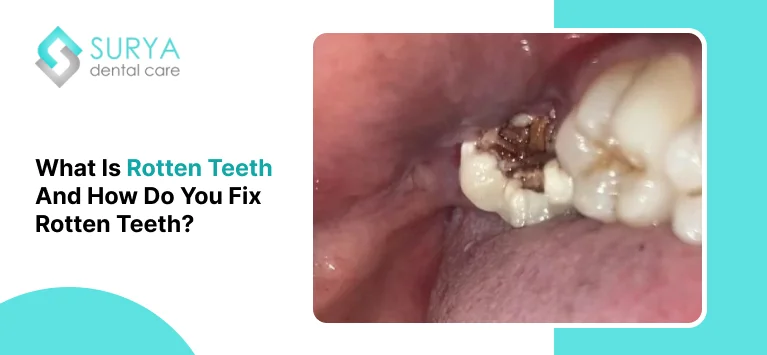
- A visible hole or cavity in the tooth
- Bad breath
- Swelling around the affected tooth in advanced cases
If you experience persistent tooth pain or sensitivity, it is better to visit a dentist rather than waiting for the symptoms to disappear.
Stages of Dental Caries
Dental caries generally develops gradually. Recognizing the early stages can help prevent more extensive damage.
Stage 1: Demineralization
The earliest stage occurs when acids begin removing minerals from the enamel. You may notice white or chalky spots on the surface of the tooth.
At this stage, the damage may sometimes be stopped or reversed with improved oral hygiene, fluoride, and professional dental advice.
Stage 2: Enamel decay
As mineral loss continues, the enamel becomes weaker and a small cavity may develop. Once a physical hole forms in the enamel, the tooth cannot repair the lost structure on its own.
A dentist may recommend a filling depending on the extent of decay.
Stage 3: Dentin decay
If the cavity progresses through the enamel, it reaches the dentin underneath. Dentin is softer and more sensitive than enamel, so decay can progress more quickly at this stage.
You may begin experiencing noticeable sensitivity or pain, particularly when consuming hot, cold, or sweet foods.
Stage 4: Pulp involvement
When decay reaches the pulp, the innermost part of the tooth containing nerves and blood vessels, significant pain can occur.
The tooth may become extremely sensitive, and spontaneous or prolonged toothache may develop.
Root canal treatment may be required when the pulp becomes infected or irreversibly inflamed.
Stage 5: Dental abscess
Severe untreated decay can allow infection to spread beyond the tooth and cause an abscess. Symptoms may include intense pain, swelling, pus formation, fever, or difficulty opening the mouth.
A dental abscess requires prompt professional treatment.
How Is Dental Caries Diagnosed?
A dentist usually begins by examining the teeth and looking for visible signs of decay. Depending on the location and severity of the suspected cavity, dental X-rays may also be recommended.
X-rays can help identify decay between teeth or beneath existing restorations that may not be visible during a routine examination.
Early diagnosis is useful because treatment is generally simpler when the decay has not reached the deeper layers of the tooth.
Dental Caries Treatment Options
Treatment depends on how far the decay has progressed.
Fluoride treatment
For very early enamel changes without a formed cavity, a dentist may recommend fluoride treatment along with improved oral hygiene and dietary habits.
Dental fillings
When decay has created a cavity, the decayed portion is removed and the space is restored with a suitable filling material. This helps restore the tooth’s shape and function.
Dental crowns
If a tooth has extensive decay or has become structurally weak, a crown may be recommended to protect and strengthen the remaining tooth structure.
Root canal treatment
If decay reaches the pulp and causes significant inflammation or infection, root canal treatment may be necessary. During the procedure, the infected or damaged pulp is removed, the canals are cleaned and sealed, and the tooth is restored.
Tooth extraction
If a tooth is severely damaged and cannot be safely restored, extraction may sometimes be necessary. Your dentist will generally consider saving the natural tooth whenever possible.
How to Prevent Dental Caries
Preventing cavities is much easier than treating advanced tooth decay. A few consistent habits can make a significant difference.
Brush twice a day
Brush your teeth twice daily using fluoride toothpaste. Take enough time to clean all tooth surfaces, including the back teeth and gumline.
Clean between your teeth
Brushing alone cannot effectively clean every area between the teeth. Floss or use another dentist-recommended interdental cleaning method to remove plaque and food debris.
Limit sugary foods and drinks
Try to reduce frequent consumption of sweets, sugary beverages, and other foods that can contribute to acid production.
Instead of constantly snacking throughout the day, keep sugary foods limited and maintain regular meals.
Drink enough water
Water helps rinse away food particles and supports normal saliva production. Choosing water instead of sugary drinks can also reduce your risk of cavities.
Use fluoride
Fluoride strengthens enamel and helps protect teeth against decay. Use fluoride toothpaste unless your dentist recommends otherwise.
Visit your dentist regularly
Regular dental check-ups can help identify early signs of decay before they become painful or require extensive treatment. Your dentist can also recommend professional cleaning, fluoride treatments, or other preventive measures based on your individual needs.
When Should You See a Dentist?
Do not wait until a cavity starts causing severe pain before seeking dental care. Make a dental appointment if you notice tooth sensitivity, discoloration, a visible hole, pain while chewing, or recurring toothache.
You should seek prompt dental attention if you develop facial or gum swelling, severe tooth pain, fever, or difficulty swallowing or opening your mouth, as these can be signs of a more serious dental infection.
Conclusion
Dental caries is a common condition, but it does not have to lead to serious tooth damage. It usually develops gradually, beginning with mineral loss and potentially progressing to a cavity, pulp infection, and dental abscess when left untreated.
Good oral hygiene, fluoride toothpaste, limiting frequent sugary foods, cleaning between your teeth, and regular dental check-ups can significantly reduce your risk of tooth decay.
If you already have symptoms of dental caries, early dental treatment can often prevent the problem from becoming more complicated. Taking care of your teeth every day and addressing small problems early can help you maintain a healthy, comfortable smile for years to come.