

Have you noticed blood in your sink while brushing your teeth? Occasional bleeding may seem harmless, but if your gums bleed regularly, it should not be ignored. Bleeding gums can be an early sign of gum inflammation, commonly caused by plaque buildup around the teeth.
Many people assume that brushing harder or changing toothpaste will solve the problem. However, identifying the actual cause is important to prevent the condition from becoming more serious.
Let’s understand why gums bleed, what symptoms to watch for and which treatments can help restore gum health.
What Causes Gums to Bleed When Brushing?
Bleeding gums can develop due to several reasons. Some of the common causes include:
- Plaque and Tartar Buildup
Plaque is a sticky layer of bacteria that collects on teeth. When it is not removed properly, it can harden into tartar and irritate the gums, causing redness, swelling and bleeding.
- Gingivitis (Early Gum Disease)
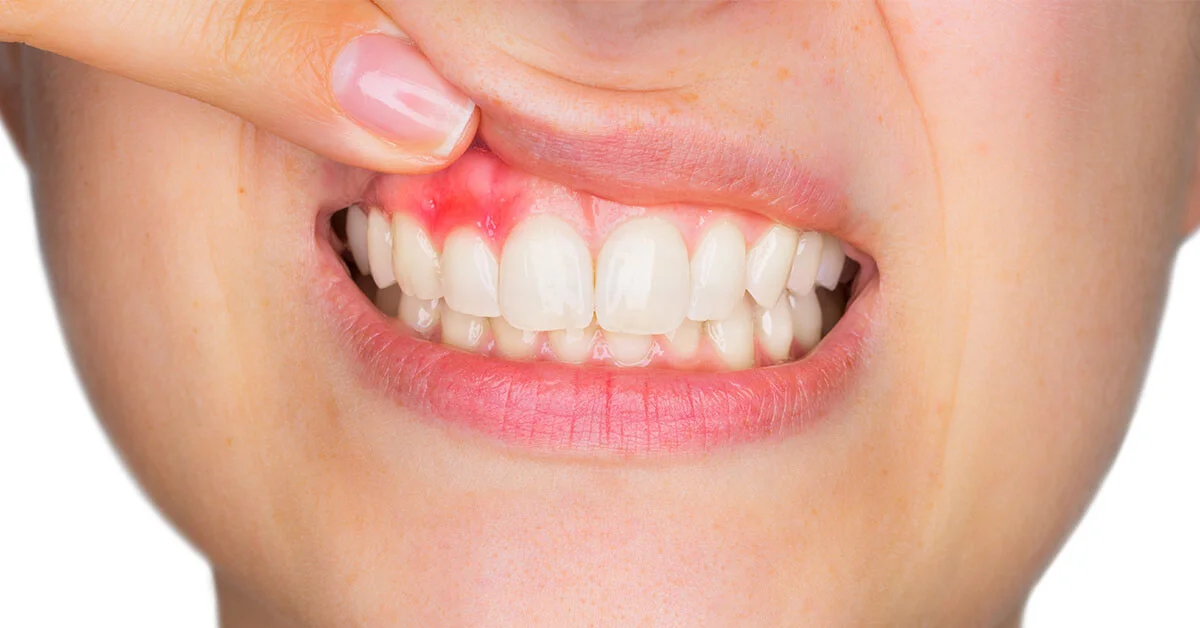
Gingivitis occurs when bacteria around the gumline cause inflammation. You may notice:
- Red or swollen gums
- Bleeding while brushing or flossing
- Tenderness around the gums
- Persistent bad breath
- Brushing Too Hard
Using a hard-bristled toothbrush or applying excessive pressure while brushing can irritate the gum tissues and cause bleeding.
- Irregular Oral Hygiene
Skipping brushing or not cleaning between your teeth regularly allows plaque to accumulate. Over time, this can increase the risk of gum problems.
- Hormonal Changes and Other Health Conditions
Hormonal changes during pregnancy, certain medications and some health conditions can also contribute to gum bleeding.
When Should You Visit a Dentist for Bleeding Gums?
Occasional bleeding should not automatically be considered serious. However, repeated bleeding needs professional attention.
Consult a dentist if you experience:
- Gums that bleed frequently while brushing.
- Red, swollen or painful gums.
- Bad breath that continues despite regular brushing.
- Gums pulling away from your teeth.
- Loose teeth or discomfort while chewing.
Early examination helps identify gum problems before they progress and affect the supporting tissues around your teeth.
What Are the Treatment Options for Bleeding Gums?
The treatment depends on the cause and severity of the gum condition.
Professional Teeth Cleaning (Scaling)
Scaling removes plaque and hardened tartar accumulated around the teeth and gumline. It helps reduce gum irritation and supports healthier gums.
Gum Disease Treatment
If gum inflammation has progressed, your dentist may recommend additional periodontal treatment depending on the condition.
Improved Oral Hygiene
Your dentist may recommend:
- Brushing twice daily with a soft-bristled toothbrush.
- Cleaning between your teeth regularly.
- Using recommended oral care products.
- Attending routine dental check-ups.
How Can You Prevent Bleeding Gums?
Maintaining a consistent oral hygiene routine can help reduce the risk of gum problems.
Follow these simple practices:
- Brush your teeth twice daily using a soft-bristled toothbrush.
- Avoid applying excessive pressure while brushing.
- Clean between your teeth every day.
- Reduce frequent consumption of sugary foods.
- Schedule regular dental check-ups.
- Avoid ignoring persistent gum bleeding.
Remember, home care helps maintain gum health, but hardened tartar requires professional removal.
FAQs
- Is it normal for gums to bleed while brushing?
No. Frequent gum bleeding is not normal and may indicate gum inflammation, plaque buildup or other dental problems.
- Can bleeding gums be a sign of gum disease?
Yes. Bleeding gums are one of the early signs of gingivitis, a common form of gum disease.
- Can scaling stop bleeding gums?
Professional scaling removes plaque and tartar that contribute to gum inflammation. Your dentist can determine whether scaling is sufficient or additional treatment is needed.
- When should I visit a dentist for bleeding gums?
If your gums bleed repeatedly, appear swollen or become painful, consult a dentist for an examination.
- Can bleeding gums heal on their own?
Mild gum irritation may improve with proper brushing and flossing. However, if bleeding continues regularly, consult a dentist to identify the underlying cause and get appropriate treatment.