

Key Facts
- Sharp pain while biting signals a problem: Sudden, electric pain when chewing usually indicates structural damage or bite-related issues.
- Pain pattern reveals the cause: Sharp pain on pressure suggests cracks, lingering throbbing points to infection, and pain on release often indicates a cracked tooth.
- Cracked teeth are the leading cause: Fractured cusps, deep cracks, or vertical root fractures commonly trigger pressure-related tooth pain.
- Early diagnosis can save the tooth: Untreated cracks may progress and lead to complete tooth fracture or infection.
- Not all pain originates from the tooth: Sinus infections, high fillings, or teeth grinding can mimic dental pain.
- Habits can worsen bite pain: Jaw clenching, poor sleep posture, and grinding increase stress on teeth and surrounding muscles.
- Dentists use specialized tests: Bite tests, transillumination, and 3D scans help detect hidden cracks.
- Temporary home relief is possible: Soft foods, pain relievers, saltwater rinses, and clove oil may reduce discomfort temporarily.
- Treatment depends on severity: Bonding, crowns, root canals, or extraction may be required based on the damage.
- Do not ignore warning signs: Facial swelling, fever, or difficulty swallowing require immediate dental care.
That sharp shock when you bite into food is never random. It’s your tooth telling you something is wrong. Patients often notice it at the worst time, usually while chewing, and just as the clinic is closing. The pain feels sudden, electric, and very specific.
Dentists call this pressure related tooth pain. It rarely comes from “just sensitivity.” More often, it points to a structural or bite related issue that needs attention.
Tooth Pain When Biting
Not all tooth pain behaves the same way. The timing and type of pain give strong diagnostic clues.
A sharp pain that disappears when pressure stops often signals a crack or enamel damage. A dull, throbbing ache that lingers usually means inflammation or infection deeper inside the tooth. Pain that hits only when you release your bite is classic for a cracked tooth, caused by microscopic movement that irritates the nerve.
These patterns help dentists narrow the cause quickly.
Cracked Teeth (The Most Common Reason for Biting Pain)
Cracks are the leading cause of pain when biting. They often form slowly and stay hidden until pressure exposes them.
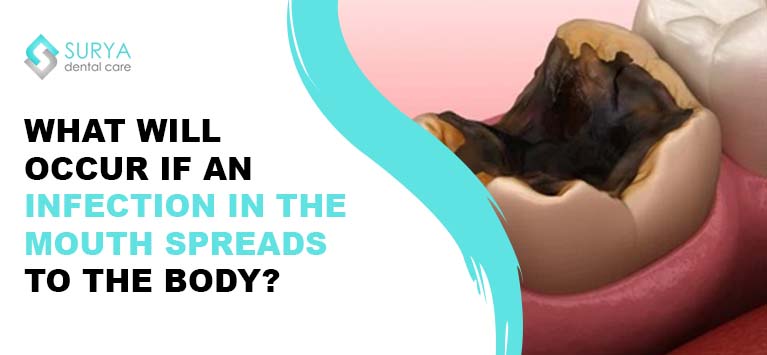
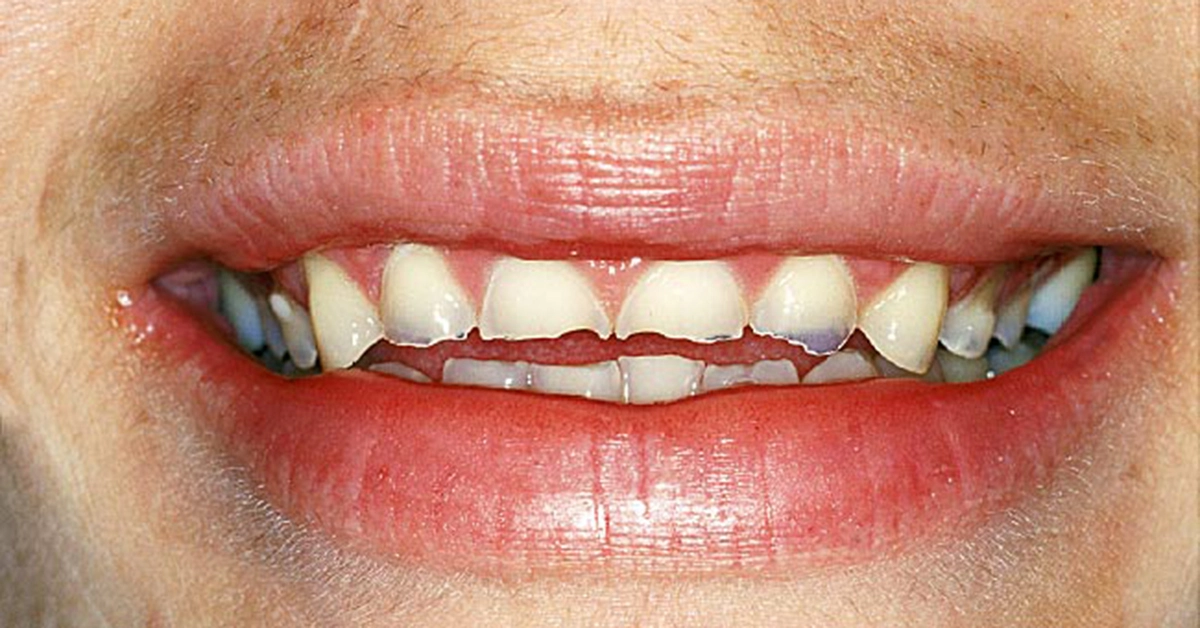
Craze lines are tiny surface cracks and usually harmless. A fractured cusp happens when part of the chewing surface breaks, often around an old filling. A cracked tooth runs deeper toward the root and must be treated early to save it. If ignored, the tooth can split completely. Vertical root fractures start in the root and are difficult to detect until infection appears.
Early diagnosis makes the difference between saving and losing the tooth.
When The Tooth Is Not the Real Problem?
Sometimes the pain comes from nearby structures, not the tooth itself.
Sinus infections can press on the roots of upper back teeth, causing pressure pain that worsens when bending forward. A high filling or crown can overload one tooth, inflaming the ligament that holds it in place. Teeth grinding puts constant stress on teeth and jaw muscles, often causing morning soreness and bite pain.
These issues often mimic tooth decay but need different solutions.
Habits That Can Trigger Tooth Pain While Chewing
Some triggers surprise patients.
Excess intake of certain vitamins and minerals may increase jaw clenching in some people. Sleeping posture and firm pillows can strain neck muscles, leading to nighttime clenching. Tight jaw muscles can also refer pain to teeth, creating pain that feels dental but isn’t.
Ignoring habits often leads to repeat symptoms.
How Dentists Find the Exact Cause?
Cracks rarely show clearly on regular X-rays, so dentists rely on targeted tests.
Bite testing isolates pain to a specific area. Transillumination uses bright light to reveal hidden cracks. Three dimensional scans help assess roots and surrounding bone when the diagnosis remains unclear.
Diagnosis is often about ruling things out methodically.
What You Can Do for Tooth Pain at Home?
Until you see a dentist, rest the tooth. Avoid chewing on that side and stick to soft foods.
A combination of ibuprofen and acetaminophen works better than many prescription painkillers. Warm salt water rinses soothe the area. Clove oil can numb localized pain. If recent dental work causes soreness, biting gently on a tea bag can help control irritation.
Pain relief is temporary. Diagnosis is not.
Dental Treatments for Pain When Biting
Treatment depends on the cause.
Small cracks may be repaired with bonding. Crowns protect cracked teeth by holding them together and stopping flexing. Root canal treatment is needed if the nerve is involved. Extraction is the last option when the tooth cannot be saved.
Early care usually means simpler treatment.
Warning Signs You Should Never Ignore
Seek immediate dental care if pain is paired with facial swelling, fever, or difficulty swallowing. These signs point to spreading infection and need urgent treatment.
Prevention matters. Avoid chewing ice or hard objects. Use a night guard if you grind your teeth. Address bite issues early.
A tooth that hurts on biting is already past the warning stage.
Takeaway
Pain when biting is not something to wait out. It often signals cracks, bite problems, or deep inflammation that worsen without treatment. Early diagnosis protects the tooth and reduces the need for complex procedures. If you’re experiencing sharp or persistent pain while chewing, contact Surya Dental Care for a thorough evaluation and expert dental care. From routine checkups to advanced treatments, their team provides complete dental solutions tailored to your needs.