
Key Facts
- Implant supported prostheses restore stability: They are anchored to titanium implants fused with bone, eliminating slipping and movement seen with traditional dentures.
- They preserve jawbone structure: Implants stimulate the bone like natural roots, preventing bone loss and maintaining facial shape.
- Chewing power is significantly improved: Fixed implant prostheses restore most natural bite force, allowing patients to eat comfortably.
- Long-term durability is a major advantage: Implants can last 20+ years, while prosthetic teeth may require replacement after 10–20 years.
- Fixed and removable options are available: Patients can choose between permanent hybrid restorations or removable overdentures based on needs.
- All-on-4 and All-on-6 solutions differ: More implants provide better load distribution, especially in the upper jaw.
- Bone quality determines eligibility: Adequate bone density is essential, and grafting may be required before implant placement.
- Proper maintenance prevents complications: Regular cleaning and professional checkups reduce the risk of peri-implantitis.
- Nightguards protect against grinding damage: Bruxism can stress implants and prostheses, making protective guards essential.
- High success rates are expected: With proper planning and care, implant procedures achieve success rates above 90–95 percent.
If you’ve lived with missing teeth or wrestled with a denture that slips when you talk, you already know how much it steals from your day. Chewing feels awkward, adhesives are a nuisance, and your smile never quite feels like yours.
Modern implant dentistry changes that equation. Implant supported prostheses—crowns, bridges, or full arches anchored to implants—restore teeth that look, feel, and work almost like the originals. This isn’t denture repair; it’s precision engineering for the mouth.
Why Implant Supported Prostheses Outperform Traditional Dentures
An implant supported prosthesis is exactly what it sounds like: a custom-made set of teeth attached securely to titanium roots placed in the bone. Those implants fuse to bone through osseointegration, giving the restoration a foundation that doesn’t move, creak, or ask for glue.
Security That Stays Put
Patients notice the difference the first time they bite into something solid. These prostheses don’t wobble or slip. They’re locked in, whether you’re chewing steak or laughing mid-sentence. That stability alone often does more for confidence than any whitening treatment could.
Protecting the Jawbone
Lose a tooth and the bone beneath it starts to melt away. It’s biology, not bad luck. Implants stop that loss by acting like real roots, sending signals to the bone to stay strong. The payoff is structural: a preserved jawline and a face that keeps its shape.
Real Chewing Power
Traditional dentures rely on suction and soft tissue. Implants rely on physics. Fixed prostheses return most of your original bite force—sometimes three to nine times greater than with conventional dentures. That means apples, nuts, and anything else that used to be “off limits” are back on the menu.
Designed to Last
Implants can last decades, often for life. The prosthetic teeth may need renewal after ten to twenty years, but the base structure endures. Viewed as a long-term investment, it’s one of the few dental treatments that actually pays you back in comfort and stability.
Fixed or Removable Implant Options Explained
Implant prostheses aren’t one-size-fits-all. The design depends on how many teeth you’re replacing and how permanent you want the setup to be.
Replacing a Few Missing Teeth
- Implant supported crown: Replaces a single tooth without grinding down its neighbours.
- Implant supported bridge: Fills a gap of several missing teeth by anchoring to implants on both sides.
Full Arch Restorations
When every tooth in an arch is gone, you can go fixed or removable.
- Fixed Prosthesis (Permanent Hybrid): Screwed into place by the dentist, removed only for maintenance. Think All on 4 or All on 6. Maximum stability, zero movement.
- Removable Prosthesis (Overdenture): Snaps on to implants with clips or bars. It’s secure during the day and easy to take out for cleaning.
What Specialists Mean by “Supported” and “Assisted”
If you’ve ever wondered why some call it implant supported and others implant retained, it comes down to mechanics.
- Implant supported means the implants take the full chewing load; the prosthesis doesn’t move.
- Implant assisted (or tissue supported) means both implants and gums share the pressure, allowing slight movement. Most removable overdentures fall here.
Who Qualifies and What the Treatment Involves
Not everyone jumps straight to implants. Success depends on health, bone density, and patience.
Evaluating Candidacy
You need solid bone and good general health. The process starts with imaging—X-rays or 3D scans—to measure bone height and locate nerves or sinuses.
If the bone’s thin or hollowed out, you’ll likely need a graft or sinus lift first to rebuild the base.
Step by Step Procedure
- Implant Placement: Titanium posts are surgically inserted into the jaw.
- Healing and Integration: The implants fuse with bone over three to six months. You’ll wear a temporary denture in the meantime.
- Final Attachment: Once stable, connectors called abutments are placed. The lab fabricates your final prosthesis, which is then fixed or clipped into place.
Choosing the Right Materials and Specialist
Behind the scenes, small technical choices make a big difference in comfort and longevity.
Why a Prosthodontist Leads the Team
Complex full arch work should be designed by a prosthodontist. They understand how bite forces, bone angles, and facial structure interact. Their plans are “restoratively driven,” meaning surgery follows the blueprint of the final smile—not the other way around.
The Role of Space and Materials
The vertical space between arches determines what materials will work.
- Hybrid Prosthesis (Metal-Acrylic): Needed when bone loss leaves 15 mm or more of space. It replaces both teeth and lost gum tissue, restoring facial support.
- Metal Ceramic or Zirconia: Chosen when there’s less space. They’re dense, strong, and highly aesthetic.
All on 4 or All on 6
In full arch cases, implant count matters.
- The lower jaw usually manages with 4 or 5 implants because its bone is dense.
- The upper jaw often needs 6 to 8 for equal strength.
“All on 4” is catchy marketing; “All on 6” is biomechanical. More implants spread the load, reduce cantilevers, and prevent headaches later—literally and figuratively.
How Long They Last and What They Cost
Think of implants as infrastructure. Maintenance keeps them running for decades.
Durability and Price Range
- Implants themselves can last 20 years or more. The attached prosthesis may need replacement as materials wear down.
- Expect an investment between $15,000 and $30,000 per arch, depending on bone grafting, materials, and lab quality. Insurance coverage is unpredictable, so always confirm before you start.
Maintenance Routine
- Fixed Prosthesis: Clean underneath daily with a soft brush and water flosser.
- Removable Prosthesis: Remove and soak nightly in a cleansing solution.
- Professional Review: Schedule hygiene visits every three to four months. Regular maintenance helps prevent peri-implantitis, the implant version of gum disease.
Protecting Against Wear and Tear
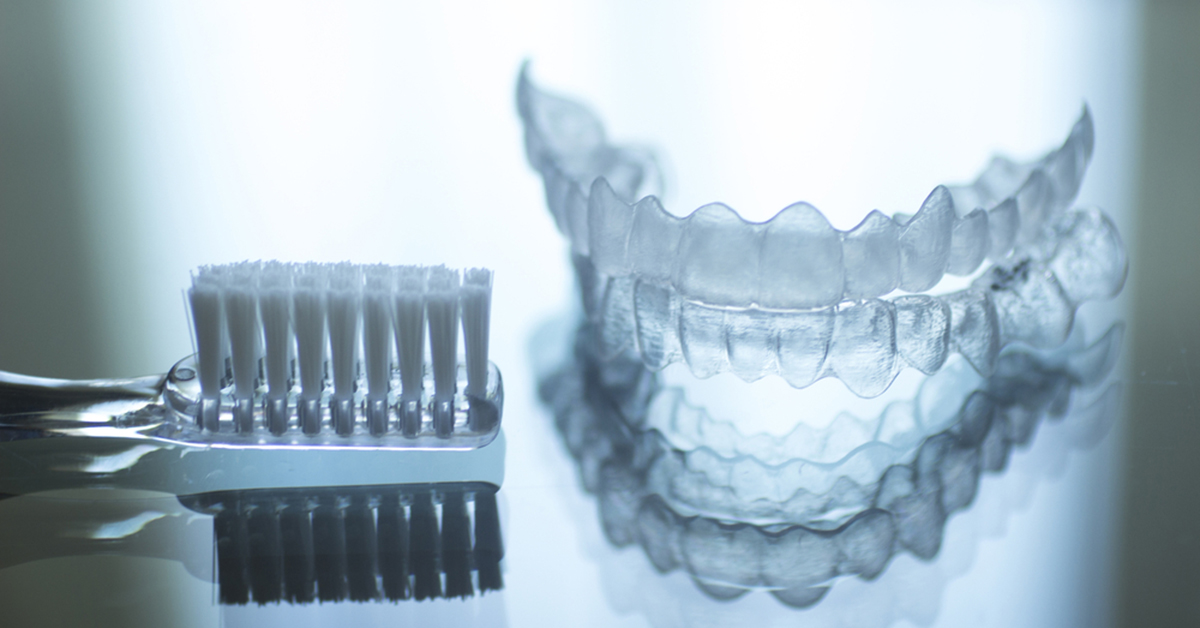
Patients who grind their teeth—bruxers—need a night guard. It’s the cheapest insurance against fractures and screw loosening. A small plastic shield saves a very expensive smile.
Recovery and Risk
- Most people return to light activity within two or three days. Avoid strenuous workouts for 48 hours.
- Complications are rare but possible: infection, nerve irritation, or failed integration. With proper hygiene and follow-up, success rates stay above 90–95 percent.
The Bottom Line
Implant supported prostheses don’t just replace missing teeth, they restore how you live. They let you chew confidently, speak clearly, and smile without thinking about it. The engineering is precise, the comfort is real, and the results are built to last.
If you’re ready to move beyond loose dentures and unreliable fixes, talk to the experts at Surya Dental Care, Trichy. Our implant specialists use advanced 3D imaging and proven techniques to design restorations that look natural and feel secure. Schedule your consultation today and take the first step toward a smile that’s strong, stable, and truly yours.