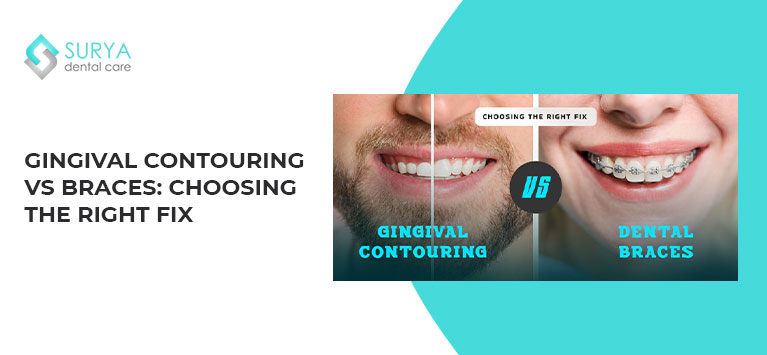


Getting braces is an important step toward achieving straighter teeth, a healthier bite, and a more confident smile. One of the first questions most people ask their orthodontist is, “How long do braces take to straighten teeth?”
The answer depends on several factors, including the severity of tooth crowding, bite problems, age, type of braces, and how well you follow your orthodontist’s instructions.
On average, braces treatment can take around 12 to 24 months, although some simple cases may be completed sooner, while more complex orthodontic problems can take longer. Your orthodontist can provide a more accurate estimate after examining your teeth and jaw.
In this guide, let’s look at the braces treatment duration, what affects the treatment timeline, and what you can do to help your teeth straighten effectively.
How Long Do Braces Take to Straighten Teeth?
For many patients, traditional braces take approximately 12 to 24 months to straighten teeth and correct bite problems. However, there is no single treatment time that applies to everyone.
Some patients with minor spacing or mild crowding may see significant improvement within several months. Patients with severe crowding, impacted teeth, or complex bite problems may require orthodontic treatment for two years or longer.
Your braces timeline usually includes several stages:
- Initial consultation and orthodontic examination
- Treatment planning
- Placement of braces
- Regular adjustment appointments
- Gradual movement of teeth
- Bite correction
- Removal of braces
- Retainer treatment
The goal is not simply to make teeth look straight. Orthodontic treatment also aims to create a healthy bite and properly aligned teeth.
What Is the Average Braces Treatment Duration?
The average braces treatment duration is about 18 to 24 months, but treatment can vary considerably from person to person.
The length of treatment depends on how much tooth movement is required. Small adjustments may happen relatively quickly, while major tooth movements need more time.
Your orthodontist may also recommend additional procedures or appliances to improve your bite or create enough space for your teeth.
It is important to remember that orthodontic treatment works gradually. Teeth move through the bone and supporting tissues, so trying to move them too quickly can cause complications.
How Long Does It Take to Straighten Teeth With Braces?
If you’re wondering how long does it take to straighten teeth with braces, the answer depends largely on your individual orthodontic condition.
For mild cases, visible changes may appear within a few months. However, visible improvement does not necessarily mean your treatment is complete.
Your teeth need to reach their planned positions, and your bite needs to be properly aligned before braces can be removed.
Even if your teeth appear straight after several months, continuing treatment as recommended is important for achieving stable and functional results.
Factors That Affect How Long Braces Take
Several factors can influence how long braces take to straighten teeth.
Severity of Tooth Crowding
Crowded teeth often require more movement than mildly crooked teeth. If there is not enough room in your mouth, your orthodontist may need to create space before aligning the teeth.
Severe crowding can therefore increase the overall braces treatment time.
Gaps Between Teeth
Small spaces between teeth may close relatively quickly. Larger gaps, however, can require more controlled tooth movement and therefore take longer to correct.
Bite Problems
Braces are commonly used to correct bite problems such as:
- Overbite
- Underbite
- Crossbite
- Open bite
- Deep bite
Correcting a bite involves more than simply straightening the front teeth, so treatment may take longer than cases involving minor cosmetic alignment.
Age
Orthodontic treatment can be effective for both children and adults. However, treatment needs vary depending on the patient’s dental and skeletal development.
Children and teenagers may sometimes have an advantage because their jaws are still developing. Adults can also achieve excellent results, although certain complex cases may require additional planning.
Type of Braces
The type of orthodontic treatment you choose may influence the treatment timeline.
Common options include:
- Traditional metal braces
- Ceramic braces
- Lingual braces
- Clear aligners
Your orthodontist will recommend an option based on your dental condition, treatment goals, and suitability—not simply appearance.
Patient Compliance
Your cooperation can have a major impact on how long braces take.
Missing appointments, repeatedly damaging brackets, not following dietary recommendations, or failing to use prescribed orthodontic appliances can extend treatment.
Following your orthodontist’s instructions can help keep your treatment progressing as planned.
How Often Do You Need Orthodontic Appointments?
During braces treatment, you typically need regular appointments so your orthodontist can monitor tooth movement and make necessary adjustments.
Depending on your treatment plan, appointments may be scheduled every few weeks.
During these visits, your orthodontist may:
- Adjust the braces
- Replace or change wires
- Check tooth movement
- Monitor your bite
- Identify potential problems
- Provide instructions for the next stage of treatment
Regular appointments are important for maintaining your orthodontic treatment timeline.
Can Braces Straighten Teeth Faster?
Many people want to know whether there is a way to straighten teeth faster with braces.
While certain orthodontic techniques and technologies may help optimize treatment for suitable patients, teeth cannot safely be moved instantly.
The biological process of tooth movement takes time. Your orthodontist will select an appropriate force and treatment strategy based on your individual needs.
You can help prevent unnecessary delays by:
- Attending scheduled appointments
- Maintaining excellent oral hygiene
- Following dietary instructions
- Avoiding foods that can damage braces
- Wearing elastics as instructed
- Following appliance instructions carefully
- Contacting your orthodontist if a bracket or wire breaks
The safest approach is to focus on effective and predictable treatment rather than rushing the process.
Does Wearing Braces Hurt?
It is common to experience some pressure or mild discomfort after braces are placed or adjusted.
This happens because orthodontic forces are gradually encouraging your teeth to move.
The discomfort is generally temporary and may improve within a few days. If you experience severe or persistent pain, contact your orthodontist.
Good oral hygiene and following your orthodontist’s instructions can make the treatment experience more comfortable.
What Can Delay Braces Treatment?
Several issues can potentially extend your braces treatment duration.
One common reason is broken brackets or wires. Eating hard, sticky, or crunchy foods can damage orthodontic appliances and may require repairs.
Other causes of delays can include:
- Missed orthodontic appointments
- Poor oral hygiene
- Not wearing elastics as directed
- Not following appliance instructions
- Repeatedly damaging brackets
- Unexpected tooth movement
- Complex orthodontic problems
This is why following your orthodontist’s treatment plan is an important part of successful teeth straightening with braces.
What Foods Should You Avoid With Braces?
Your diet can also affect your orthodontic treatment.
Hard and sticky foods can damage brackets and wires. Examples of foods that are commonly recommended to avoid or modify include:
- Hard candies
- Chewing gum
- Sticky sweets
- Ice
- Very hard nuts
- Hard popcorn kernels
- Extremely crunchy foods
Instead, choose softer braces-friendly foods and cut harder foods into smaller pieces when appropriate.
Maintaining a braces-friendly diet can help reduce the risk of appliance damage and unnecessary treatment interruptions.
How Important Is Oral Hygiene During Braces Treatment?
Keeping your teeth clean is especially important while wearing braces.
Food particles and plaque can collect around brackets and wires, increasing the risk of tooth decay, gum problems, and white spots on the teeth.
A good oral hygiene routine should include:
- Brushing twice a day
- Cleaning carefully around brackets
- Flossing or using orthodontic cleaning aids
- Using products recommended by your dentist or orthodontist
- Attending regular dental check-ups
Healthy teeth and gums provide a better foundation for successful orthodontic treatment.
What Happens After Braces Are Removed?
Getting your braces removed does not mean orthodontic treatment is completely finished.
After braces, your orthodontist will usually provide retainers to help maintain your new tooth positions.
This stage is called retention.
Teeth naturally have a tendency to shift over time. Wearing your retainer as instructed can help reduce unwanted movement and protect the results of your orthodontic treatment.
Your orthodontist will explain how often and how long you should wear your retainer.
Can Adults Get Braces?
Yes. Adults can get braces and undergo orthodontic treatment to improve tooth alignment and bite problems.
Adult orthodontic treatment may take a similar amount of time to treatment in younger patients, but the exact duration depends on the individual’s dental condition.
If you’re considering braces as an adult, an orthodontic consultation can help determine whether traditional braces, ceramic braces, or clear aligners are appropriate for your needs.
How Can You Make Your Braces Treatment More Effective?
Although you cannot completely control your braces treatment duration, you can take steps to avoid unnecessary delays.
Follow these simple habits:
- Attend every scheduled orthodontic appointment.
- Follow your orthodontist’s instructions carefully.
- Wear elastics or other appliances as prescribed.
- Avoid foods that can damage your braces.
- Maintain excellent oral hygiene.
- Contact your orthodontist if a bracket or wire breaks.
- Wear your retainer after treatment as instructed.
Consistency throughout treatment can help you stay on track with your planned braces timeline.
When Should You See an Orthodontist?
If you have crooked teeth, significant crowding, gaps, or difficulty with your bite, consider scheduling an orthodontic evaluation.
An orthodontist can assess your teeth and jaws and explain:
- Whether you need braces
- Which orthodontic treatment is suitable
- How long your treatment may take
- What results you can realistically expect
- Whether additional appliances are required
- How to maintain your results after treatment
Rather than relying on a general estimate, an individual examination provides a much better idea of how long braces will take for you.
Conclusion
So, how long do braces take to straighten teeth? For many people, orthodontic treatment takes approximately 12 to 24 months, with the average often around 18 to 24 months. However, your exact treatment duration depends on factors such as tooth crowding, gaps, bite problems, age, treatment method, and your commitment to following orthodontic instructions.
Remember that braces are designed to move your teeth gradually and safely. Attending appointments, maintaining good oral hygiene, following your braces diet, and wearing elastics or retainers as instructed can help keep your treatment on track.
If you’re considering braces, speak with an orthodontist for a personalized assessment and a realistic estimate of your teeth straightening treatment time.