

Key Facts
- Primary teeth are essential for development: They maintain space for permanent teeth, support speech, enable proper chewing, and guide jaw growth.
- Mixed dentition occurs from ages 6 to 13: During this phase, baby teeth fall out while permanent teeth erupt in a predictable sequence.
- Lower front teeth usually fall out first: Shedding typically begins around age six or seven with the lower central incisors.
- First permanent molars erupt at age six: These molars emerge behind baby teeth and play a crucial role in establishing the bite.
- Early dental visits reduce long-term problems: The first dental checkup is recommended by age one or when the first tooth erupts.
- Fluoride toothpaste should be age-appropriate: A smear for under age three and a pea-sized amount for ages three to five is recommended.
- Sealants protect permanent molars: They prevent cavities by covering deep grooves that trap food and bacteria.
- Early tooth loss can affect alignment: Space maintainers may be needed if baby teeth fall out prematurely.
- Delayed tooth loss may require evaluation: Retained baby teeth could indicate impaction, ankylosis, or underlying hormonal issues.
- Most eruption variations are normal: Temporary double rows of teeth, slight yellowing of new teeth, and mamelons are common and usually harmless.
Primary teeth look small and temporary, yet they carry a serious workload. They hold space for permanent teeth, keep the bite balanced, help a child chew well, and support clear speech. Because their enamel is thin, they decay faster than adult teeth, which means problems can escalate quickly.
The mixed dentition stage spans roughly from age six to thirteen. During this window, primary teeth fall out and permanent teeth erupt in a predictable sequence. The process looks simple from the outside, but anyone who works with children knows it can trigger soreness, anxiety, and a laundry list of parental questions. Treat primary teeth with respect because losing them too early creates trouble long before orthodontics enters the room.
The Normal Timeline: What to Expect When Teeth Start Wiggling
Most children begin losing teeth around age six or seven. Starting half a year earlier or later rarely signals anything serious. The shedding sequence is consistent. The lower central incisors loosen first, followed by the upper central incisors. The pattern then moves to the lateral incisors, canines, and molars. By age twelve or thirteen, most children have transitioned to a full set of permanent teeth.
At the same time, something easy to miss is happening behind the scenes. The first permanent molars erupt at around age six. They appear behind the last primary molars rather than replacing anything. They often emerge quietly, which is why many parents never notice them until decay sets in. These molars establish the permanent bite and influence how the rest of the teeth align. Ignore them at your own peril.
Proactive Protection: Hygiene and the Role of Sealants
The simplest way to avoid mixed dentition problems is to build strong habits early. Pediatric dentists recommend the first visit when the first tooth appears or by the first birthday. Children who start this early tend to have fewer dental issues and lower long-term treatment costs.
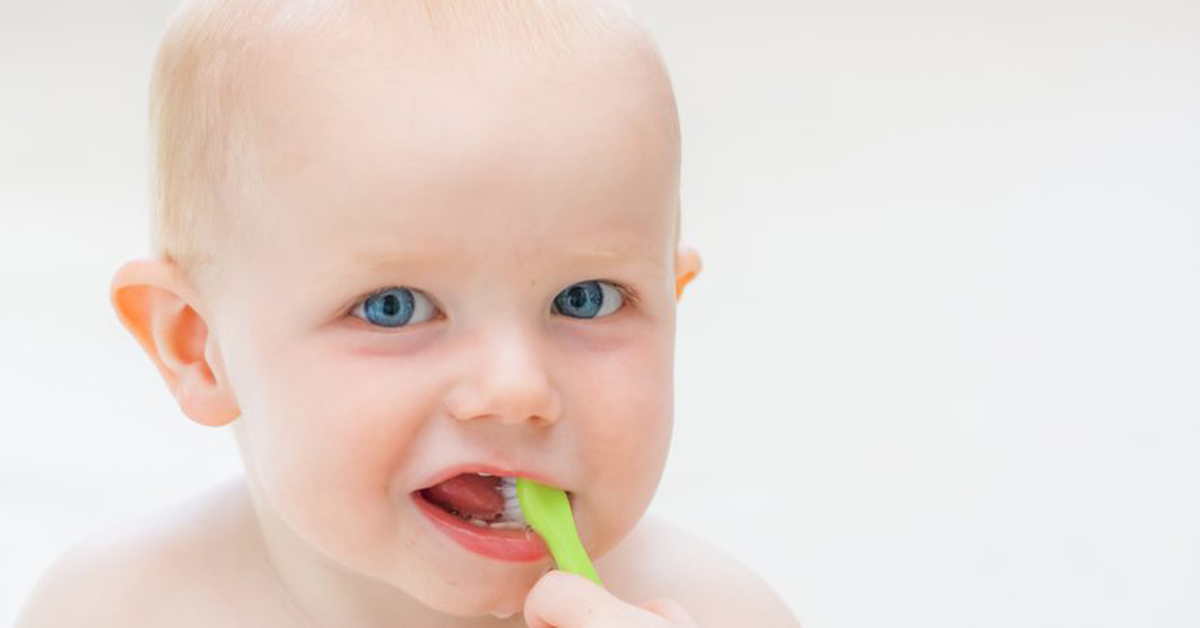
Daily routines matter. Use a smear of fluoride toothpaste from the first tooth until about age three. From ages three to five, use a pea-sized amount. Brush twice a day without fail. Start flossing once two teeth touch. Supervise brushing until a child can spit consistently, usually around age six. Many children need help for longer, even if they insist they do not.
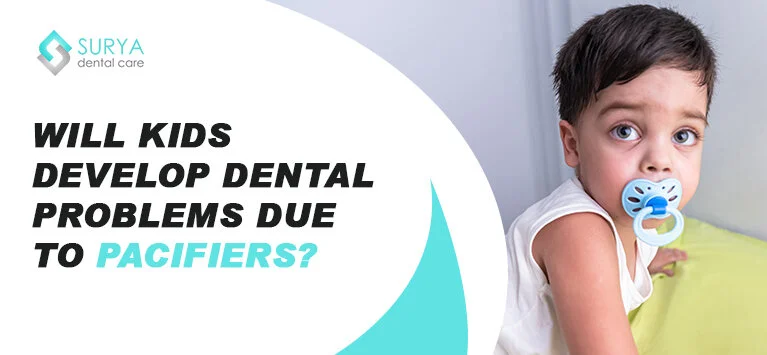
Avoid sharing saliva on spoons or pacifiers. It seems harmless but spreads cavity-causing bacteria from adult mouths to young mouths.
Sealants are the next line of defense. Permanent molars erupt with deep grooves and pits that trap food and bacteria. Toothbrush bristles do not reach them well, which makes molars easy targets for decay. Sealants coat these surfaces with a thin protective layer that greatly reduces the chance of cavities. The evidence for sealants is solid. They prevent a huge portion of early molar decay when placed soon after eruption at ages six and twelve.
Managing Discomfort and Psychological Milestones
Loose teeth and erupting molars often cause soreness, gum swelling, mild fever, and irritability. Reassure parents that these symptoms are common, then give them practical tools.
Cool soft foods reduce discomfort. Warm salt-water rinses help inflamed gums. Gentle gum massage with a clean cloth can settle the area for a moment or two. If the child is genuinely uncomfortable, ibuprofen or acetaminophen at age-appropriate doses works. Avoid teething gels with benzocaine, lignocaine, or salicylate. They present real safety risks and offer little benefit.
When a tooth finally falls out, bleeding is usually minor. Apply pressure with a clean, wet, cold cloth until it stops. Acknowledge the child’s feelings instead of brushing them off. A little validation goes a long way. For many children, the excitement of a Tooth Fairy tradition softens the whole event.
Watch for trouble signs. Fever above 40°C, white pus around the tooth, swelling that persists beyond a week, or pain that disrupts daily activities needs attention. Trauma is another category entirely and requires prompt evaluation.
When to Worry: Early vs Late Loss
Losing a primary tooth too early or too late affects how permanent teeth erupt. Early loss, usually before age four or five, is often caused by severe decay or trauma. When a tooth disappears before its time, the neighboring teeth creep into the open space. Once the space narrows, the permanent tooth loses its proper path. A simple space maintainer can prevent years of orthodontic headaches.
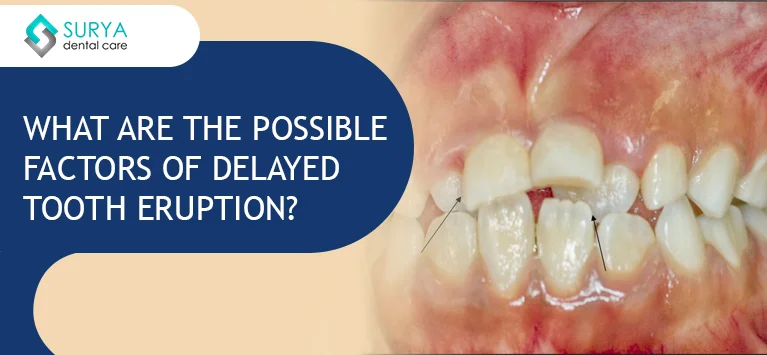
Delayed loss raises a different set of concerns. If primary teeth are still firm at age seven or eight, investigate. The permanent tooth might be missing. It might be impacted. The baby tooth might be ankylosed, meaning the root has fused to bone. Hormonal conditions like hypothyroidism can also slow eruption. Radiographs reveal what is happening under the gumline and guide decisions about extraction or monitoring.
Expert Corner: Nuances and Insights for Parents
Some situations look dramatic to parents but are normal to clinicians. The classic example is the appearance of two rows of lower incisors when the permanent teeth erupt behind the baby teeth. Most of the time the primary teeth loosen and fall out soon after. If they remain firm for several weeks, remove them.
Primary molars stay in place much longer than front teeth, often until age nine to twelve. Losing a primary molar early leads to more significant space loss than losing an incisor early. Prioritise their protection with restorations and sealants when needed.
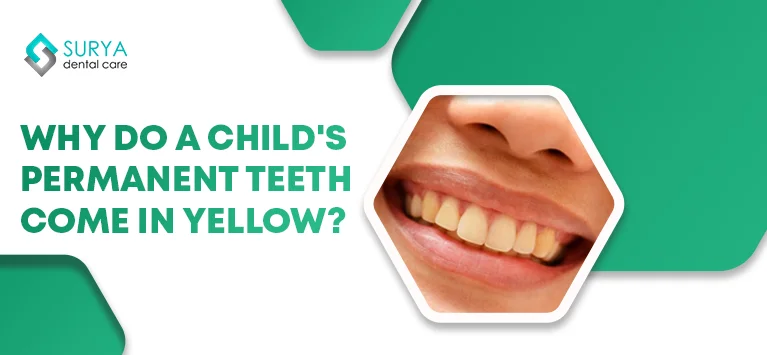
New permanent teeth often appear slightly yellow next to bright baby teeth. Their enamel is thicker and more translucent, so the contrast exaggerates the colour difference. Mamelons on new incisors are also normal and wear down as the child chews. No treatment is needed.
Studies suggest boys may experience premature primary tooth loss more often than girls. Whether the cause is behavioural or biological does not change the takeaway. Parents should supervise brushing longer than they think and monitor sugar intake more closely than children would prefer.
Takeaway
Mixed dentition is predictable on paper, less predictable in real homes, and entirely manageable with early care and common sense. If a parent has questions about timing, discomfort, or unusual eruption patterns, they should not wait. Contact Surya Dental Care to consult the best pediatric dentist in Trichy and get clear guidance before small problems turn into difficult ones.