

Hey there! Have you noticed your gums looking a little different lately, perhaps pulling away from your teeth? You’re definitely not alone if you have. This can be a bit alarming, but understanding what’s happening and what you can do about it is the first step towards a healthier smile. Let’s dive in!
Understanding Receding Gums
What Exactly Are Receding Gums?
Simply put, gum recession happens when the gum tissue surrounding your teeth wears away or pulls back, exposing more of the tooth surface or even its root. It might look like your gum line no longer pleasantly surrounds your teeth, and you might even see the roots becoming visible.
Why is this a big deal? Well, when your roots are exposed, your teeth become more vulnerable. This can lead to increased tooth sensitivity, cavities (or decay), infection, and over time, even bone loss and eventually tooth loss if left untreated.
How Common is This Condition?
Gum recession is a very common dental problem! Research shows that about 70.1% of adults aged 65 and older have gum disease, which can include receding gums around at least one tooth. And it’s not just for older adults; 47% of adults age 30 or older are affected by gum disease that can lead to recession.
The tricky part is that it often goes unnoticed because it tends to develop gradually. So, you might not even realize it’s happening in its early stages.
The Core Question: Can Receding Gums Grow Back or Be Reversed?
This is often the first question on everyone’s mind, and we want to be straightforward with you: Unfortunately, once gum tissue has receded, it cannot naturally grow back. This is a crucial point to understand.
However, don’t lose hope! While true regrowth isn’t possible, effective dental treatments can absolutely halt the progression of gum recession, protect your exposed tooth roots, restore the appearance of your gum line, and significantly reduce any discomfort you might be feeling. So, when we talk about “reversal” or “healing” in this context, we mean managing the condition to prevent it from worsening and improving your overall oral health, rather than magically regenerating lost tissue naturally.
Key Causes of Receding Gums
So, what makes gums recede in the first place? The cause can vary from person to person, but it’s typically due to one or more of these factors:
- Poor Oral Hygiene: This is a big one! Not brushing and flossing correctly or often enough allows plaque to build up. Over time, plaque hardens into tartar, which irritates your gums and creates a breeding ground for bacteria, leading to inflammation (gingivitis) and then more severe gum disease (periodontitis).
- Aggressive Brushing: Believe it or not, brushing your teeth too vigorously or with a hard-bristled toothbrush can actually wear away your gum tissue and even tooth enamel. Gently does it!
- Genetics: Sometimes, it’s just in your genes. Some individuals are born with naturally thin or compromised gum tissue, making them more prone to recession regardless of their hygiene habits.
- Tobacco Use: Smoking, chewing tobacco, and other forms of tobacco can seriously damage your gum line and encourage plaque accumulation, significantly increasing your risk of recession.
- Hormonal Changes: For women, fluctuations during life stages like puberty, pregnancy, and menopause can make gums more sensitive and vulnerable to recession.
- Oral Trauma or Injury: This can include physical injuries to your mouth, or even chronic irritation from things like ill-fitting dentures or lip and tongue piercings.
- Teeth Grinding or Clenching (Bruxism): Putting excessive force on your teeth, especially while you sleep, can contribute to gum recession.
- Crooked or Misaligned Teeth: When your teeth aren’t perfectly aligned, it can create areas that are difficult to clean properly, leading to plaque buildup and uneven pressure on your gums.
- Certain Medications: Some drugs can cause dry mouth, which reduces the protective saliva in your mouth, making your tissues vulnerable to bacterial infections.
- Underlying Health Conditions: Diseases like diabetes and HIV can heighten the risk of gum disease and, consequently, gum recession.
Recognizing the Symptoms: Is Your Gum Line Receding?
Gum recession can be sneaky, but there are usually noticeable signs. Pay attention to these indicators:
Visible Signs
- Longer-looking teeth: This is often the most obvious sign, as more of your tooth’s surface or root becomes exposed.
- You might feel notches or indentations near the gum line.
- The development of “pockets” or gaps between your teeth and gums.
Common Discomforts
- Increased tooth sensitivity to hot, cold, or sweets. This is because your tooth roots aren’t covered with protective enamel.
- Pain or discomfort near your gum line.
- Bleeding gums, especially when brushing or flossing.
- Swollen or red gums.
- Persistent bad breath.
- Loose or “wiggly” teeth (this is usually a sign of more advanced progression and can lead to tooth loss).
If you notice any of these symptoms, it’s really important to seek professional evaluation right away. Early detection and treatment generally lead to much better outcomes.
Gum Recession Stages and Specific Cases
Understanding the severity of your gum recession can help your dentist determine the best treatment plan.
Understanding the Stages of Receding Gums
- Mild Recession: In its early stages, gum recession may be barely visible or only affect a small area. At this point, enhanced oral hygiene and monitoring might be sufficient.
- Moderate Recession: Here, you’ll likely notice more visible root exposure and increased sensitivity.
- Severe Recession: This stage involves significant root exposure, heightened sensitivity, and potentially even tooth mobility (your teeth might feel loose). This requires more complex interventions to save your teeth.
Receding Gum on One Tooth
It’s very common for gum recession to affect just a single tooth. This can happen due to localized trauma, like a specific tooth misalignment causing uneven pressure, or if you’ve been particularly aggressive with brushing in one spot. If you notice recession on just one tooth, it still needs attention, as a targeted assessment can help address the unique cause and lead to effective treatment.
Professional Treatments for Receding Gums: Restoring Your Oral Health
While your gums can’t naturally grow back, modern dentistry offers a range of effective treatments to manage and restore your oral health.
Non-Surgical Treatments
For mild cases or as initial steps to manage underlying issues, your dentist might recommend:
- Deep Dental Cleaning (Scaling and Root Planing): This thorough cleaning gets rid of plaque and tartar buildup from below your gum line and smooths the exposed root surfaces. This makes it much harder for bacteria to reattach.
- Topical Antibiotics/Antimicrobial Treatments: Your periodontist might apply or insert special antibiotics directly under your gum surface to combat any infection.
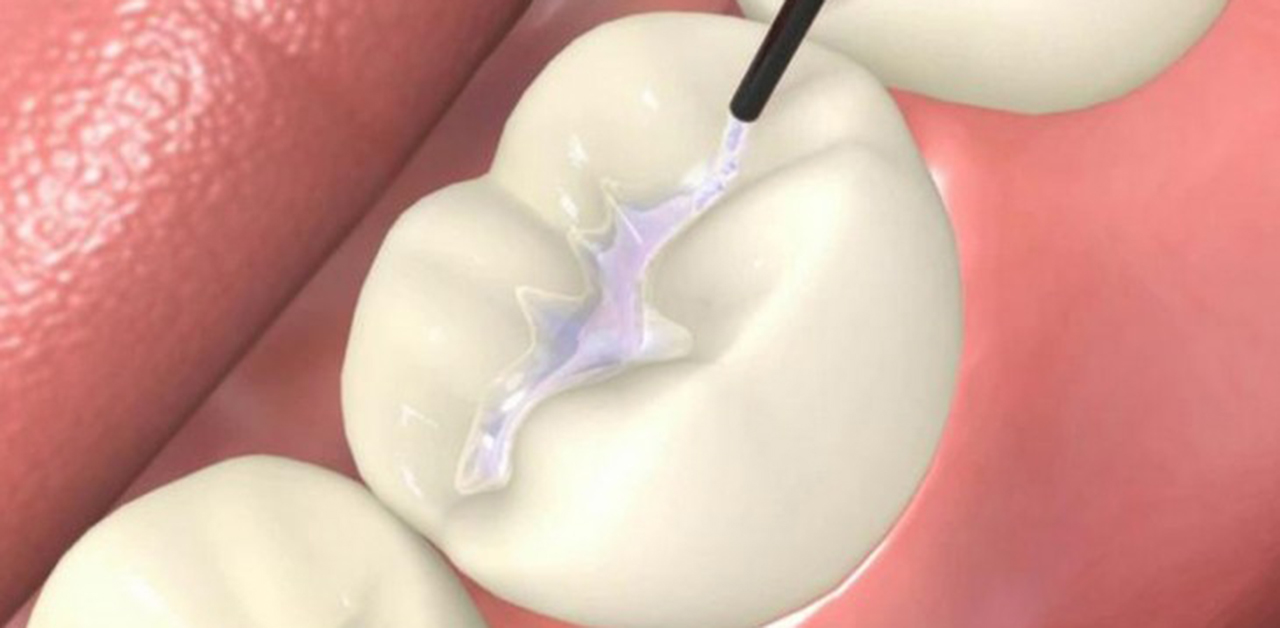
- Dental Bonding: This involves using a tooth-colored composite resin to cover the exposed roots. It helps reduce sensitivity and makes your smile look better.
- Orthodontic Treatment: If crooked or misaligned teeth are contributing to your recession, braces or other orthodontic options can help move your teeth into proper alignment. This can allow your gums to shift into a more favorable position and prevent further recession.
- Desensitizing Agents/Varnishes: Your dentist can apply special fluoride varnishes or other agents to reduce the nerve sensitivity in your exposed roots, providing much-needed relief.
Surgical Procedures (for Moderate to Severe Cases)
When recession is more advanced, surgical options become necessary to protect your teeth and restore your gum line.
- Open Flap Scaling: In this procedure, your gums are gently lifted back to allow for thorough cleaning of deep pockets. Once clean, the gum tissue is snugly re-secured around your tooth.
- Gum Graft Surgery (Soft Tissue Graft): This is often considered the most predictable and long-lasting treatment option for gum recession. The goal is to replace missing gum tissue. There are a few ways this can be done:
- Connective Tissue Graft: This is the most common type. Tissue is typically taken from beneath a flap on the roof of your mouth (your palate) and then stitched to the affected gum area.
- Free Gingival Graft: Similar to the above, but tissue is taken directly from the roof of your mouth.
- Pedicle Graft: If you have enough healthy gum tissue next to the receding tooth, your dentist might simply reposition that tissue.
- Innovative Alternatives: Modern techniques also include the use of collagen matrices, such as Geistlich Mucograft or Geistlich Fibro-Gide. These can be used instead of taking tissue from your palate, which means less pain and no need for a second surgical site.
- Minimally Invasive Techniques: Newer approaches, like the Pinhole Surgical Technique, use smaller incisions for an effective outcome.
- Regeneration (Bone Grafting): If the bone supporting your teeth has been damaged due to gum recession, your dental surgeon may recommend procedures to encourage the natural regeneration of lost bone and tissue using specialized materials.
Post-Surgery Recovery & Care
Recovery time after gum graft surgery can vary, but most people feel back to normal in about two weeks. Your surgeon will give you specific instructions, and following them closely is key for a successful recovery!
Dos:
- Maintain your oral hygiene, but be very gentle around the surgical site (your dentist will tell you when it’s safe to brush there again).
- Use any antibacterial mouthwash prescribed by your dentist.
- Treat swelling with moist cold packs.
- Consult your dentist if you experience any pain or unusual symptoms.
- Make sure you attend all your follow-up appointments.
Don’ts:
- Do not brush or floss on the surgical site for about a week after surgery.
- Avoid coffee, alcohol, and smoking for 2-3 days post-surgery.
Remember, the long-term success of any treatment, especially surgery, depends on addressing the root cause of your recession (like aggressive brushing or gum disease).
Effective At-Home Care and Product Recommendations
Your daily routine plays a huge role in managing and preventing gum recession!
- Best Toothpaste for Receding Gums: For comfort, look for desensitizing toothpastes. Key active ingredients to look for include potassium nitrate, stannous fluoride, arginine, and strontium chloride. Keep in mind that these work best with consistent, long-term use, and it might take a few weeks to notice results.
- Choosing the Right Toothbrush: This is incredibly important! Always use a soft-bristled toothbrush to prevent further damage from aggressive brushing. Many dentists also recommend electric toothbrushes with pressure sensors as a great option because they provide consistent, gentle cleaning and alert you if you’re pressing too hard.
- Recommended Mouthwash: An antimicrobial mouthwash can be a helpful addition to your routine to help control bacteria and reduce the risk of infection.
“Natural Remedies” and “How to Reverse Gums at Home”
You might have heard about “natural remedies” like oil pulling for receding gums. It’s crucial to understand that these methods do not regrow gum tissue or reverse existing recession. While they might contribute to overall oral hygiene or offer temporary symptom relief, they are not a substitute for professional dental treatment. Please, always consult with your dentist before trying any home remedy, as delaying professional care can lead to more serious problems.
Prevention is Paramount: Stopping Receding Gums From Worsening
Since lost gum tissue doesn’t grow back, prevention is truly the best medicine! Here’s how you can keep your gums healthy and prevent further recession:
- Optimal Oral Hygiene Practices:
- Brush twice daily with a soft-bristled toothbrush using gentle, circular motions.
- Floss daily to remove food particles and plaque from between your teeth.
- Use an antimicrobial mouthwash as recommended by your dentist.
- Regular Professional Dental Care:
- Semiannual dental visits (every six months) are essential for professional cleanings and early detection of any issues. Tartar, which contributes to gum disease, can only be removed by a professional cleaning.
- Follow your dentist’s recommendations for cleaning frequency, as some people might need more frequent visits.
- Eliminate Harmful Habits:
- Quit smoking and all tobacco products immediately.
- If you grind or clench your teeth (bruxism), talk to your dentist about solutions like a night guard.
- Ensure any dentures or oral piercings fit correctly and don’t irritate your gums.
- Healthy Lifestyle:
- Maintain a balanced and healthy diet.
- Be observant of any changes that may occur in your mouth.
When to Seek Professional Help at Surya Dental Care
Please, do not delay seeking professional help if you suspect gum recession. It’s a serious condition that should not be ignored.
Call your dentist immediately if you notice:
- Exposed tooth roots.
- Increased tooth sensitivity.
- Bleeding or swollen gums.
- Any changes in your gum line.
The benefits of early intervention are immense! Prompt diagnosis and treatment offer the best chance for managing the condition effectively, preventing further damage, and preserving your beautiful smile and overall oral health.
Takeaway & Your Next Step with Surya Dental Care
To sum it up, while gum tissue doesn’t regrow on its own, a combination of professional treatments and dedicated at-home care can effectively manage receding gums, protect your teeth from sensitivity and decay, and restore your healthy, confident smile.
Your oral health is too important to ignore. The experienced team at Surya Dental Care is here to help you every step of the way. We can provide a thorough examination and develop a personalized treatment plan tailored to your specific needs.
Make an appointment today for an exam and evaluation by calling our office at +91 99432 97779. We look forward to helping you smile brighter!