

Key Facts
- What it is: Gingival hyperplasia is gum overgrowth that makes gums swell, puff up, or cover teeth.
- Main causes: Poor oral hygiene, systemic illnesses (like diabetes or HIV), or side effects of drugs such as phenytoin, cyclosporine, and calcium channel blockers.
- Risk factors: Smoking, mouth breathing, extra teeth, and difficulty maintaining oral hygiene due to health conditions.
- Symptoms: Enlarged gums that may look red, shiny, or bleed easily; harder to clean teeth; higher risk of gum disease.
- Treatment: Professional dental cleaning, adjusting medications (with medical guidance), and in severe cases, surgical gum removal.
- Prognosis: With proper care and addressing the cause, gingival hyperplasia usually improves and symptoms can be controlled.
You can have gingival hyperplasia if your gums are bulging or if they are covering your teeth. Finding the source of this issue and the best course of action on your own can be difficult. Poor dental hygiene, underlying systemic disease, or a drug side effect can all be causes of gingival hyperplasia.
Developmental disabilities, poor manual dexterity brought on by stroke, osteoarthritis of the hands, Alzheimer’s disease, or other dementias, can all affect oral hygiene.
What Is Gingival Hyperplasia?
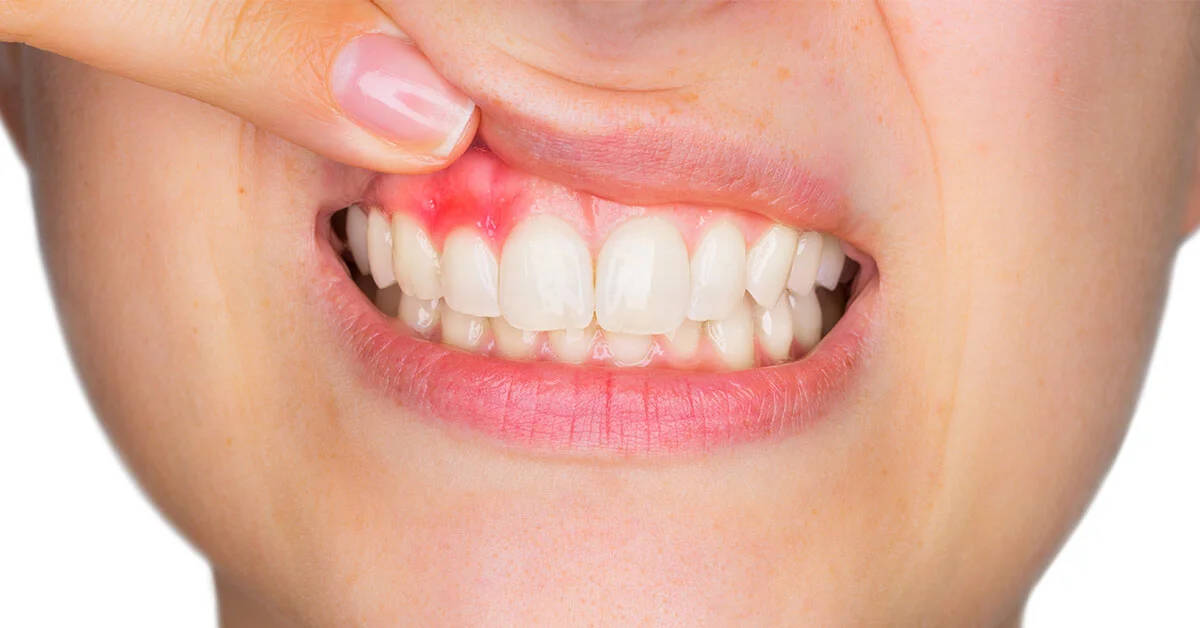
Gingival hyperplasia happens when gums grow beyond their normal size, often swelling, puffing up, and sometimes covering your teeth. Dentists call it “gum overgrowth.” It can happen on one spot or all around, depending on the cause.
Causes for Gingival Hyperplasia
An expansion of your gums is called gingival hyperplasia (also known as your gingiva). People with this illness have too much gum tissue, as opposed to specific individuals who have insufficient gum coverage.
The degree of this condition’s presentation might range from a minor bump to an overgrowth of gums that nearly fully encases your tooth or teeth. You can relax knowing that this illness is not infectious.
Gingival hyperplasia is a term used to describe the expansion of your gums and is not a medical problem in and of itself. The therapy and prevention of your gingival hyperplasia depend on knowing the cause; we’ll go through each in more depth below.
What Medication Causes Gingival Hyperplasia
Certain drugs can trigger this condition. Medications like phenytoin (for seizures), cyclosporine A (for organ transplants), and calcium channel blockers (for high blood pressure) are common culprits. Check your prescriptions if your gums start swelling after you begin a new treatment.
Symptoms
- There is an unattractive gingival enlargement on the gums or teeth.
- Patients are more likely to develop periodontal disease as teeth become difficult to clean.
- Particularly when gingival irritation, untreated dental plaque, and poor oral hygiene are present, periodontitis may develop.
Other Possible Causes for Gingival Hyperplasia
The cause is frequently unknown. The gums may be red, mushy, glossy, and prone to bleeding if the afflicted tissue is inflamed (gingivitis). You can have localized or widespread gingivitis.
Gum disease’s specific causes include:
- A lack of proper dental care leads to bacterial plaque, gingivitis, and periodontitis.
- Mouth breathing
- Smoking
- Having too many teeth
- HIV infection and systemic illnesses, especially diabetes
Treatment for Gingival Hyperplasia
There are several different therapies required, depending on the degree and underlying causes of your gum overgrowth. If the gingival tissue interferes with your ability to clean your teeth or chew your food properly, or if it causes any other problems, a dentist or other health care provider may advise you to have it removed.
To get rid of plaque that has gotten hard and can’t be removed by yourself it is recommended to employ a professional cleaning service. It’s not wise to take a medication prescribed by your doctor or alter its dosage by yourself if you suspect it’s causing hyperplasia. Discuss your worries with a medical practitioner.
Bottom line
The most typical issue that results in swollen, red, and sensitive gums is gingival hyperplasia. After treatment or when the underlying cause is addressed, the disease typically gets better. Treatments administered professionally or at home can help reduce symptoms.
FAQs
It appears as swollen, thickened gums—sometimes smooth and shiny, other times lumpy or fibrous. The gums may partially cover the teeth, bleed easily, and look red or dark pink depending on inflammation.
Not usually. If caused by medication or poor oral hygiene, it often worsens without intervention. Switching meds, improving hygiene, or professional treatment like scaling or gingivectomy is usually needed to reverse gum overgrowth.
It depends on the cause. If it's drug-induced and the medication is changed, gum overgrowth may reduce within weeks. With proper dental cleaning or surgery, recovery typically takes 1–2 weeks. Chronic cases may require longer treatment and follow-ups.