

Key Facts
- Cleidocranial Dysplasia (CCD) is a rare genetic disorder: It affects bone and tooth development, especially the skull, collarbones, and jaw.
- Caused mainly by RUNX2 gene mutation: This gene controls bone-forming cells, and its alteration disrupts normal skeletal growth.
- Autosomal dominant inheritance: A parent with CCD has a 50% chance of passing the condition to their child.
- Collarbone abnormalities are a key sign: Underdeveloped or absent clavicles allow unusual shoulder flexibility.
- Skull features may remain open longer: Delayed closure of fontanelles and extra skull bones are common findings.
- Dental problems are nearly universal: Delayed tooth eruption, retained baby teeth, and extra teeth are typical challenges.
- Early orthodontic-surgical care is essential: Coordinated treatment helps guide proper tooth eruption and alignment.
- Bone density may be reduced: Osteopenia or early osteoporosis can develop and requires monitoring.
- Airway and hearing issues may occur: Narrow sinuses and Eustachian tube problems can cause infections or sleep apnea.
- With proper management, life expectancy is normal: CCD does not affect intelligence and most patients live full, healthy lives.
If you’ve ever seen someone touch their shoulders together in front, you were probably looking at flexibility most of us can only dream of. In Stranger Things, Dustin Henderson’s actor, Gaten Matarazzo, has that same ability—because he has a rare genetic disorder called Cleidocranial Dysplasia (CCD).
This condition is rare but not as mysterious as it seems. Let’s strip away the drama and talk about what CCD is, what causes it, how it shows up, and how people with it can live long, healthy, perfectly ordinary lives.
What Exactly Is Cleidocranial Dysplasia?
Cleidocranial Dysplasia is a genetic condition present from birth that affects how bones and teeth form. It mostly involves the skull, face, spine, collarbones, and legs.
The name gives away its main targets—cleido means collarbone and cranial refers to the skull. These two, along with the teeth, are where CCD’s effects are easiest to spot.
It’s exceptionally rare—about 1 in 1 million people—and often underdiagnosed because symptoms vary. Some have mild signs that go unnoticed for years.
The Reassuring Part
CCD doesn’t shorten life and doesn’t affect intelligence. Once diagnosed, most people manage it with focused care and live full, active lives.
The Genetic Root: The RUNX2 Gene
The usual culprit is a mutation in the RUNX2 gene, sometimes called CBFA1.
The Bone Switch
RUNX2 acts like a switchboard operator for bone and tooth formation. It controls osteoblasts—the cells that build bone. When the switch falters, bone and tooth growth don’t follow the usual script.
How It’s Inherited
CCD follows an autosomal dominant pattern, meaning one altered copy of the gene is enough. A parent with CCD has a 50% chance of passing it to each child. Men and women are affected equally.
Not every case runs in the family. Some arise from a new (de novo) mutation—nature’s occasional typo. About 20–30% of patients don’t show a RUNX2 mutation at all, suggesting there’s more to the story genetically.
The Telltale Signs: Bone and Skull Changes
Collarbones or the Lack of Them
The classic clue is absent or underdeveloped collarbones. That’s what gives CCD patients their narrow, sloped shoulders and extraordinary shoulder flexibility. Some can almost make their shoulders meet in front. It’s impressive and diagnostic.
Skull and Face
The skull usually keeps a few soft spots longer than it should.
- Delayed closure of fontanelles and sutures means those “baby soft spots” can remain open into adulthood.
- Wormian bones—tiny extra bone fragments—may appear along skull seams.
- Facial traits often include a broad forehead, wide-set eyes, and a flat nasal bridge.
- The upper jaw may be small, giving a distinctive facial profile.
Elsewhere in the Skeleton
CCD can lead to short stature, spinal curvature (scoliosis), short fingers, or knock knees. Pelvic bones may ossify slowly, making the pelvis wider or irregular in shape.
Dental Problems: The Daily Challenge
Common Oral Findings
Dental issues are almost universal in CCD and often the most disruptive:
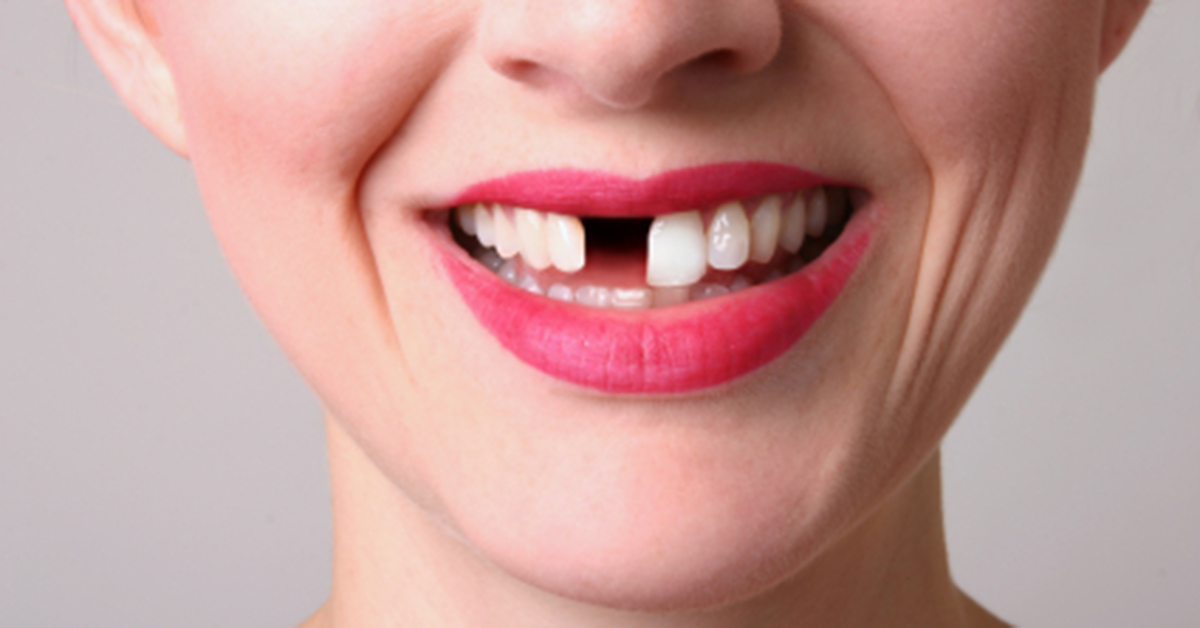
- Late eruption of permanent teeth
- Baby teeth that hang around too long
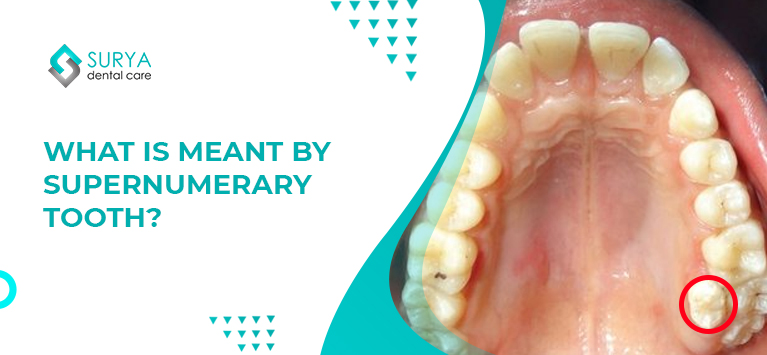
- Extra teeth (supernumerarycrowding the mouth
- Poor alignment and bite problems
- Occasionally, a high or cleft palate
The Standard of Care: Surgical-Orthodontic Management
There’s no cure, but dental management has become very precise. The best results come from a staged surgical and orthodontic plan:
- Full dental assessment using X-rays and CT scans.
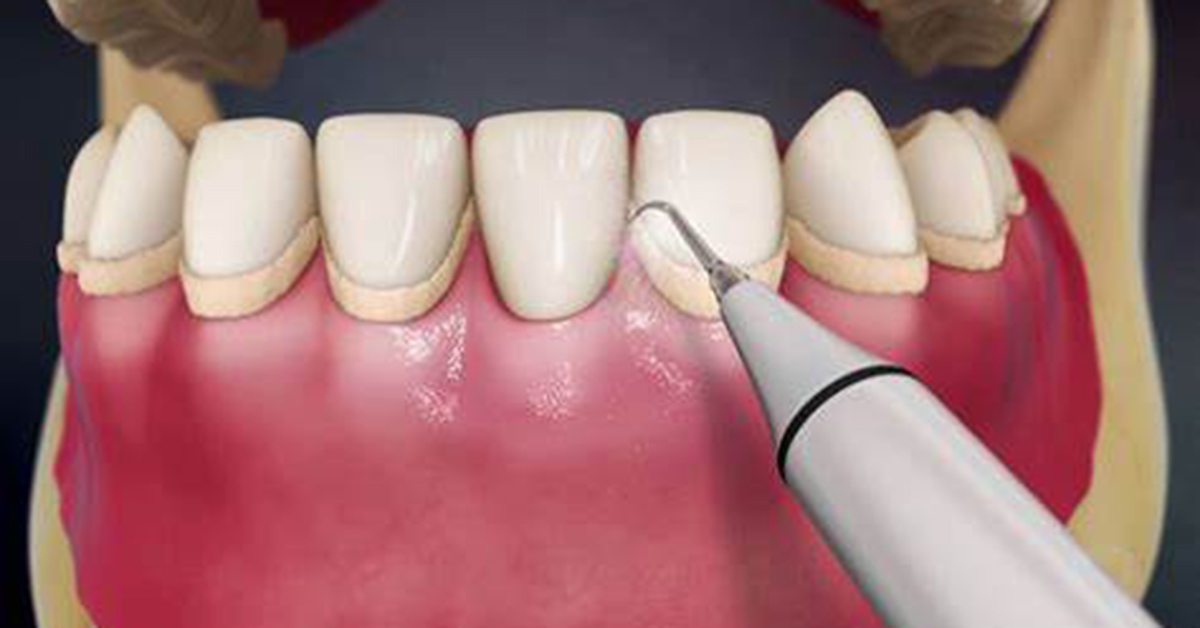
- Extraction of extra teeth to clear the way.
- Exposure and guidance of normal teeth—surgeons remove the gum or bone blocking eruption, and orthodontists bring those teeth into alignment with braces.
With early and coordinated care, most patients achieve a functional and aesthetic bite. Sometimes jaw surgery or implants are needed, but the success rate is high when treatment starts early.
Beyond the Jaw: Systemic Management
Ear, Nose, and Airway Issues
CCD can make sinuses narrow and Eustachian tubes inefficient, leading to frequent ear and sinus infections or hearing loss. Some also develop sleep apnea due to upper airway obstruction.
Management is straightforward:
- Ear tubes can help prevent chronic infections.
- Surgery may correct airway blockages in severe sleep apnea.
- Routine hearing tests from infancy catch problems early.
Bone Health and Orthopedic Concerns
Because of reduced bone density, osteopenia or even early osteoporosis is common. Over time, this can affect posture and mobility.
- Calcium and vitamin D supplements are standard to support bone strength.
- Orthopedic surgery may be needed for significant deformities—spinal fusion for scoliosis or leg realignment for knock knees.
- In severe hip deformity (coxa vara with an angle under 100°), intertrochanteric osteotomy helps restore function.
Daily Life and Safety Advice
Protect the Head
Children should wear helmets during sports. Open skull sutures and fontanelles are delicate, and a little prevention beats a cracked head every time.
Developmental Support
Some kids walk or talk a bit later than average. Physical therapy and speech therapy smooth out those bumps early on.
When to Call the Doctor
Persistent dental pain, sinus infections, ear issues, or nighttime breathing pauses all deserve a professional look. And if breathing ever seems labored, don’t wait—go straight to emergency care.
Considerations for Women with CCD
Women with CCD often need a cesarean section during childbirth. The pelvis can be too narrow for safe vaginal delivery, so obstetricians plan accordingly.
Visibility Matters
Actor Gaten Matarazzo brought CCD into the public eye by sharing his own experience—multiple oral surgeries, braces, and advocacy for others with rare bone conditions. His openness has done more for awareness than any medical textbook.
Support and Resources
CCD is rare, but patients aren’t alone. Genetic counseling helps families understand inheritance patterns and plan pregnancies.
For reliable support:
- National Organization for Rare Disorders (NORD)
- Children’s Craniofacial Association (CCA)
- FACES: The National Craniofacial Association
They connect families with medical specialists, grants, and other patients who’ve seen it all before.
Takeaway
Cleidocranial Dysplasia may be rare, but its dental challenges are treatable with expert care. At Surya Dental Care, Trichy our specialists manage complex CCD-related tooth problems with precision and compassion. Contact Surya Dental Care today for advanced evaluation and personalized treatment solutions.
FAQs
Gaten Matarazzo has a genetic bone condition called cleidocranial dysplasia (CCD), which affects bone and tooth development.
Cleidocranial dysplasia itself is not usually painful, but complications like dental crowding, delayed tooth eruption, or joint issues may cause discomfort.
CCD is very rare, affecting about 1 in 1 million people worldwide.
Gaten Matarazzo’s genetic disorder, CCD, is inherited and impacts skull, collarbone, and dental development, while intelligence and life expectancy remain normal.