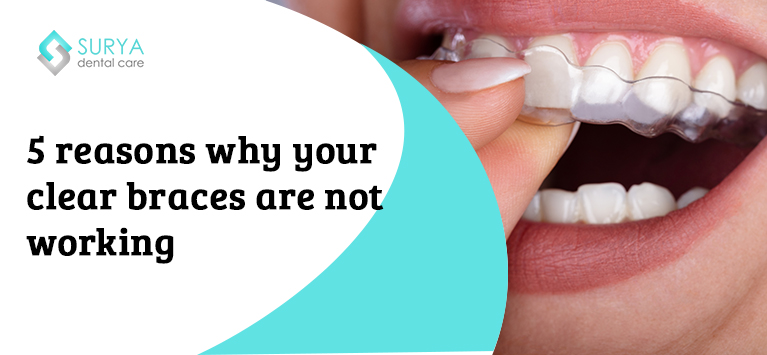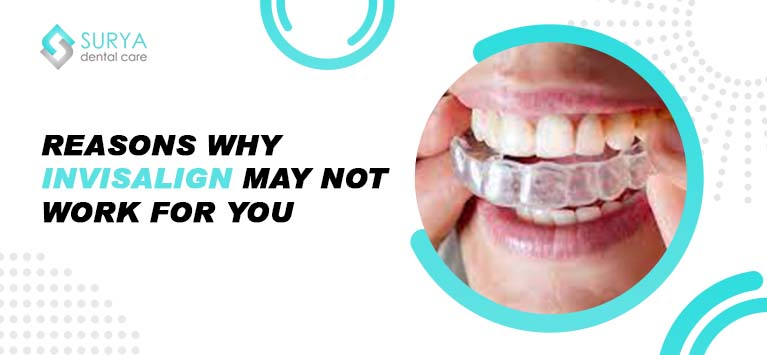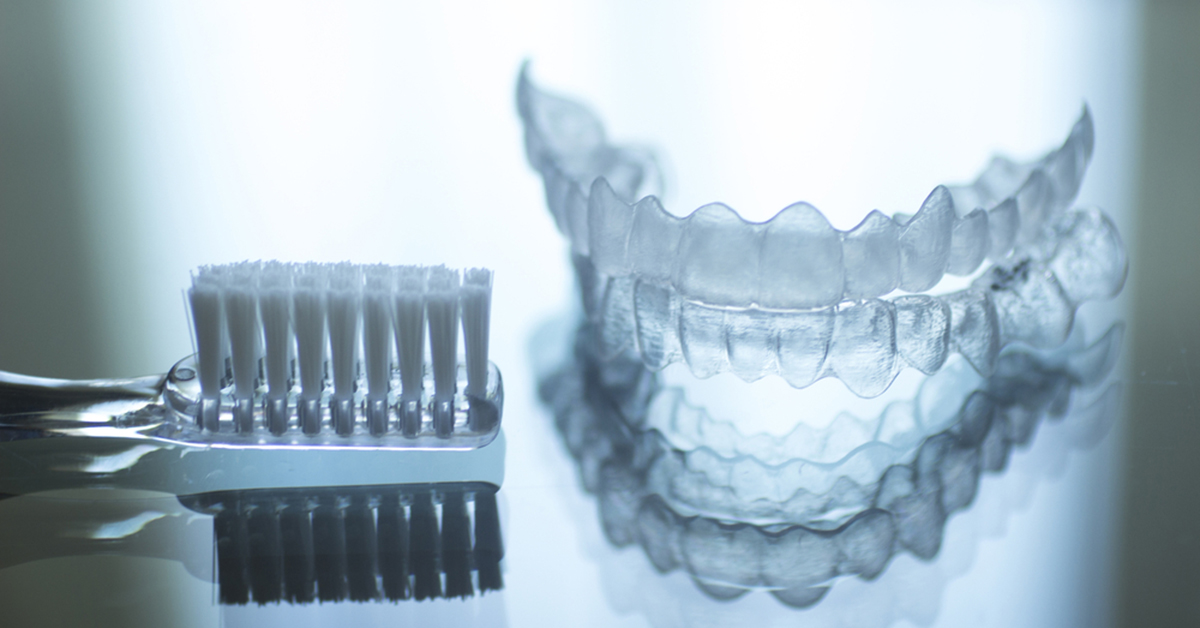

Invisalign (or) Invisible aligner is a removable orthodontic appliance and is believed as an ideal solution for teens and adults. It is because the series of aligner trays are translucent hence that the onlookers cannot notice them. Similar to metal braces, the invisible braces also work by placing gradual pressure on the teeth. This in turn, pushes the teeth to their natural position.
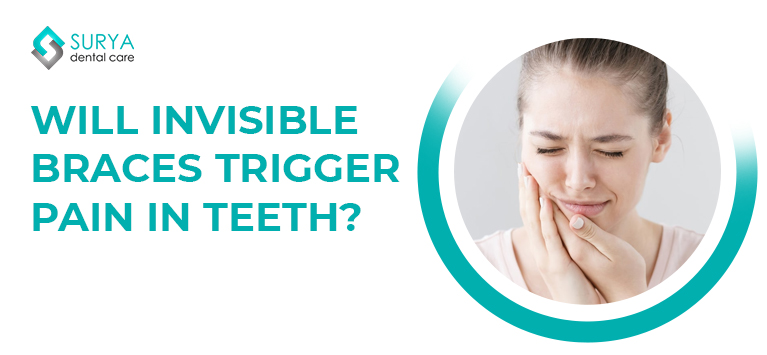
While beginning Invisalign treatments, it’s common to have minor annoyances like pain, and soreness. Such Invisalign pain arises whenever you switch to a new array. Likely, some people encounter painful sensations with the nighttime use of invisible aligners.
In this blog article, our Orthodontists have explained it and tips to get rid of such bedtime Invisalign pain.
Do you need to wear Invisalign while sleeping?
Yes. You should take out your clear brace only at times when you eat, drink and clean it. The maximum amount of time in a day you can spend without wearing your Invisalign is 2 hours. It means you should wear the aligner for about 22 hours a day.
The teeth will not get persistent pressure if you remove your clear brace frequently. It tends to elongate the orthodontic treatment duration. Hence it is not a good idea to go to sleep without the teeth straightening appliance.
What causes Invisalign pain to be worse at night?
The pressure applied by Invisalign on your teeth causes pain. Moreover, the clear braces cause soreness until the mouth adjusts to the appliance. The Invisalign pain implies that the teeth are moving. Meanwhile, the severity of pain should be uniform during daytime and nighttime.
If you notice your clear braces hurt the teeth more at night, you might grind or clench your teeth while sleeping. Talk to your dentist immediately else your aligner would be damaged quickly.
What should you do to curb Invisalign pain at night?
Besides pain, sleeping with the teeth straightener causes mild discomforts like excessive drooling, and others. They are usual and you don’t worry about them. Here are the easy ways to cope with such pain and trouble sleeping with Invisalign:
- Change your sleeping position -Try to sleep on your back and keep the head elevated. Sleeping in this position helps you to lessen the Invisalign pain and reduce drooling.
- Identify the troublesome area – An Invisalign wearer’s mouth feel slightly ajar in the initial days. It is because the brace’s material rub against the oral tissues and causes lesions that provoke soreness in their mouths. In such cases, they should pinpoint the affected region and apply wax during the daytime. Remove the wax before going to bed. It provides a lot of relief.
- Change the aligner trays before going to bed – When you encounter pain in your teeth or jaw at night, switch to a new aligner tray before going to sleep. It allows the teeth to adjust to the new appliance before pain or soreness develops. Hence you can reduce the nighttime Invisalign annoyance to a certain extent and get enough sleep.
- Don’t take out the clear aligners for relief – Like metal braces, invisible aligners also come up with their initial discomforts like nighttime pain. You have to bear them until the mouth gets used to the teeth straightening appliance.
The Invisalign treatment duration varies for everyone. However, the average treatment duration is between 6 to 18 months in most cases. To acquire the beautiful smile you desire, you should wear the appliance for 20+ hours a day amidst the daytime & nighttime discomforts.
Usually, such difficulties ease on their own within a week. The tips we shared here will help you to reduce Invisalign pain at the time. If the pain exists even after a week, consult your orthodontist.
FAQs
Invisalign hurts because it works. Each new tray applies controlled pressure to move your teeth. The discomfort is usually strongest for the first 24–48 hours after switching aligners. If pain is severe or lasts longer than a few days, contact your orthodontist for evaluation.
Retainer pain is common when you first start wearing one or if you skipped days. Take over-the-counter pain relief if needed, switch to a softer pillow for jaw comfort, and wear the retainer consistently. Pain usually decreases within a few nights as teeth adjust.
Wearing Invisalign overnight is safe and necessary. Mild soreness, pressure, or increased saliva may occur when switching to new trays. These are temporary adjustment symptoms, not harmful side effects. If you experience sharp pain or gum irritation, consult your dentist.
You should not attempt to remove bite blocks at home. Bite blocks are bonded by your orthodontist to guide tooth movement and protect brackets. Trying to remove them yourself can damage your teeth. If they feel uncomfortable or too high, schedule a quick adjustment appointment.
Yes, absolutely. Invisalign aligners must be worn while sleeping to ensure proper tooth movement. Since you sleep for 6–8 hours, removing them overnight significantly slows treatment. Consistent wear, including during sleep, helps maintain steady pressure and ensures predictable results.
No, Invisalign does not offer “nighttime-only” aligners for active treatment. Standard Invisalign must be worn 20–22 hours per day to work effectively. However, after completing treatment, you’ll switch to nighttime retainers to maintain results. Wearing aligners only at night during active treatment will delay or compromise progress.
Drooling with braces is common in the first few weeks because your mouth is adjusting to a new appliance. Your brain temporarily produces more saliva. To reduce drooling, practice keeping your lips closed, swallow consciously before sleep, and sleep on your back. The issue usually improves within 2–3 weeks as your mouth adapts.