

Introduction
Missing teeth can affect much more than your smile. They can make chewing difficult, affect speech, cause neighboring teeth to shift, and even lead to jawbone loss over time. Fortunately, modern dentistry offers effective tooth replacement options that restore both function and appearance.
The two most popular treatments are dental implants and dental bridges. While both replace missing teeth, they differ in their procedure, cost, durability, maintenance, and long-term benefits. Choosing the right option depends on factors such as your oral health, bone density, budget, lifestyle, and personal preferences.
In this guide, we’ll compare dental implants vs dental bridges, explain how each treatment works, discuss their advantages and disadvantages, compare costs and recovery times, and help you understand which option may be best for your specific dental needs.
What Are Dental Implants?
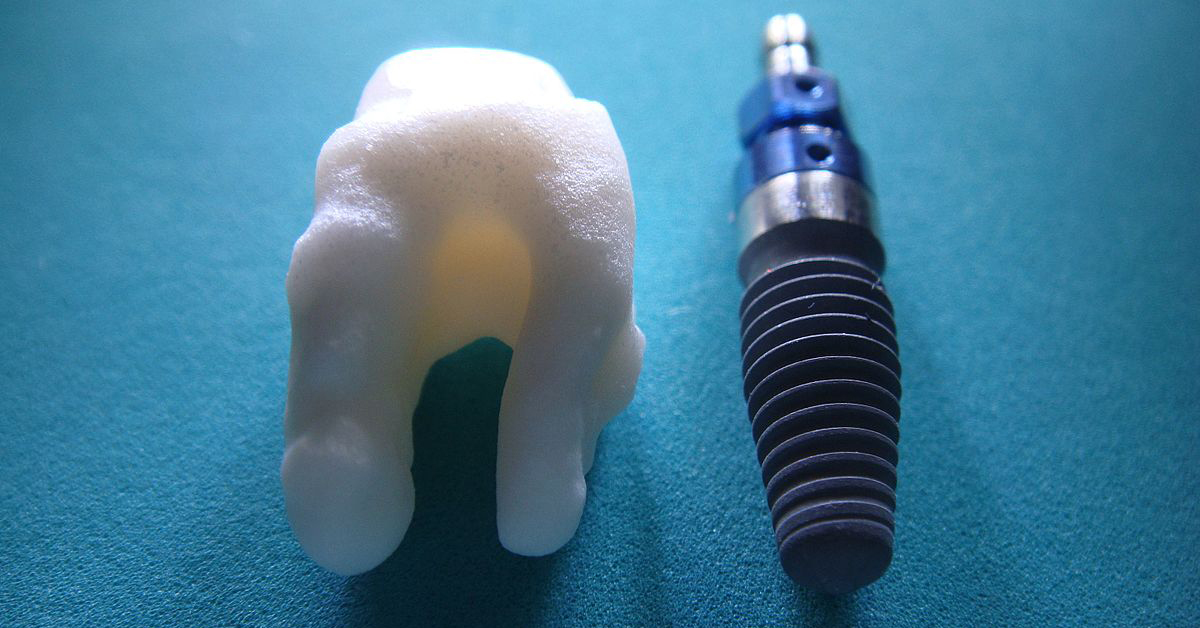
Dental implants are permanent tooth replacement solutions designed to replace both the missing tooth and its root. A titanium implant is surgically placed into the jawbone, where it fuses naturally with the bone through a process called osseointegration. Once healing is complete, an abutment and a custom-made dental crown are attached, creating a replacement tooth that closely resembles a natural tooth in both appearance and function.
Components of a Dental Implant
- Titanium implant post
- Abutment
- Dental crown
How Dental Implants Work
- Implant is placed into the jawbone.
- Bone gradually fuses with the implant.
- Crown is attached after healing.
- Functions like a natural tooth.

What Are Dental Bridges?
A dental bridge replaces one or more missing teeth by filling the gap with artificial teeth called pontics. The bridge is supported by neighboring natural teeth or dental implants.
Traditional bridges require the adjacent healthy teeth to be reshaped so crowns can support the bridge.
Components of a Dental Bridge
- Pontic (Artificial tooth)
- Dental crowns
- Supporting teeth or implants
Types of Dental Bridges
- Traditional Bridge
- Cantilever Bridge
- Maryland Bridge
- Implant-Supported Bridge

Why Is It Important to Replace Missing Teeth?
Leaving a missing tooth untreated can lead to several oral health problems over time.
Consequences of Missing Teeth
- Difficulty chewing food
- Speech problems
- Teeth shifting into empty spaces
- Bite misalignment
- Jawbone loss
- Increased risk of gum disease
- Facial sagging due to bone loss
- Reduced confidence while smiling
Dental implants VS Dental Bridge
| Feature | Dental Implant | Dental Bridge |
| What is it? | A titanium post inserted into the jawbone that acts as a root, topped with a custom crown. | A false tooth (or teeth) held in place by cementing crowns onto the healthy teeth next to the gap. |
| Lifespan | 15 to 25+ years (often lasts a lifetime with good care). | 7 to 15 years (typically needs replacement eventually). |
| Impact on Other Teeth | None. It stands completely on its own without touching neighboring teeth. | High. The healthy teeth on either side must be permanently shaved down to support the bridge. |
| Jawbone Health | Protects the bone. Stimulates the jawbone to prevent bone loss and facial sagging. | Bone loss continues. The bone underneath the missing tooth will naturally shrink over time. |
| Treatment Time | 3 to 6+ months. Requires healing time for the bone to fuse with the implant. | 2 to 3 weeks. Usually takes just two dental visits. |
| Upfront Cost | Higher. More expensive initially due to surgery and materials. | Lower. More budget-friendly upfront. |
Dental Implant Procedure
Step 1: Consultation and Treatment Planning
Your dentist performs a thorough oral examination, reviews your medical history, and takes digital X-rays or a CBCT scan to assess your jawbone and surrounding structures. Based on the findings, a personalized treatment plan is created, including whether additional procedures such as bone grafting are required.
Step 2: Implant Placement Surgery
The procedure is performed under local anesthesia or sedation for your comfort. A small incision is made in the gum, and a titanium implant is carefully placed into the jawbone to act as an artificial tooth root. The gum is then closed with sutures to begin the healing process.
Step 3: Healing and Osseointegration
Over the next 3–6 months, the jawbone naturally fuses with the titanium implant through a process called osseointegration. This creates a strong, stable foundation that functions like a natural tooth root and ensures long-term success of the implant.
Step 4: Abutment and Crown Placement
Once healing is complete, an abutment (connector) is attached to the implant. A custom-made dental crown, designed to match the color and shape of your natural teeth, is then securely fixed to the abutment, restoring your smile and chewing ability.
Step 5: Follow-Up Care and Maintenance
Your dentist will schedule follow-up visits to monitor healing and ensure the implant remains healthy. Maintaining good oral hygiene, brushing, flossing, and regular dental check-ups are essential for keeping the implant functional for many years.
Dental Bridge Procedure
Step 1: Consultation and Examination
The dentist examines your teeth and gums, takes X-rays, and evaluates the condition of the teeth adjacent to the missing tooth. Based on your oral health, the most suitable type of dental bridge is recommended.
Step 2: Preparation of Supporting Teeth
The adjacent teeth (abutment teeth) are carefully reshaped by removing a small amount of enamel. This creates space for dental crowns that will securely support the bridge.
Step 3: Impressions and Temporary Bridge
Digital scans or impressions of your teeth are taken and sent to a dental laboratory to fabricate a custom bridge. Meanwhile, a temporary bridge is placed to protect the prepared teeth and restore appearance and function until the permanent bridge is ready.
Step 4: Permanent Bridge Placement
Once the custom bridge is completed, the temporary bridge is removed. The dentist checks the fit, appearance, and bite before permanently cementing the bridge onto the prepared supporting teeth, ensuring comfort and stability.
Step 5: Aftercare and Regular Check-ups
Proper care is essential for the longevity of a dental bridge. Brush twice daily, clean underneath the bridge using floss threaders or interdental brushes, and visit your dentist regularly to maintain healthy gums and supporting teeth. With good maintenance, a dental bridge can last 10–15 years or longer.
Dental Implants vs Dental Bridges: Which Is Better?
Dental implants are often the preferred choice for long-term tooth replacement because they preserve jawbone, protect neighboring teeth, and can last for decades. However, they require surgery, a longer healing period, and a higher initial investment.
Dental bridges, on the other hand, offer a quicker and more affordable solution without surgery. They are ideal for patients who need faster treatment or are not suitable candidates for implants, though they typically have a shorter lifespan and rely on adjacent teeth for support.
The best option depends on your oral health, bone density, budget, treatment goals, and your dentist’s recommendation after a comprehensive evaluation.
Conclusion
Both dental implants and dental bridges are effective solutions for replacing missing teeth, but the right choice depends on your oral health, budget, lifestyle, and long-term goals. Dental implants offer a permanent, natural-looking solution that helps preserve jawbone health, while dental bridges provide a quicker and more affordable option for restoring your smile. A comprehensive dental evaluation is the best way to determine which treatment is most suitable for your needs.
If you’re looking for expert guidance, book an appointment at Dentlux – the Best Dental Clinic in Chandigarh. Our experienced dentists use advanced diagnostic technology and personalized treatment planning to recommend the most suitable tooth replacement option for you. Whether you’re considering dental implants or dental bridges, we’re committed to restoring your smile with comfortable, high-quality care. Schedule your consultation today and take the first step toward a healthier, more confident smile.