

Key Facts
- Protect the blood clot after extraction: A stable clot prevents dry socket, reduces pain, and supports proper healing.
- First 24 hours require extreme care: Consume soft, cool foods like yogurt, applesauce, smoothies, and soups without chewing.
- Avoid straws and hot foods: Suction and heat can dislodge the clot and delay recovery.
- Day 3 allows gentle chewing: Soft foods like mashed potatoes, rice, pasta, and steamed vegetables are usually safe.
- By day 6–7, expand diet gradually: Soft breads, minced chicken, oats, and mild home-cooked meals can be introduced.
- Wisdom tooth recovery may take longer: Deeper sockets need extended soft food care and avoidance of seeds or spicy foods.
- Stay hydrated properly: Drink water regularly but avoid carbonated drinks, alcohol, and straws.
- Maintain gentle oral hygiene: Avoid rinsing for 24 hours, then use warm salt water and brush carefully around the site.
- Watch for warning signs: Severe pain, swelling, bad odor, pus, or fever may indicate infection or dry socket.
- Soft diet and patience speed healing: Gradual food progression helps ensure smooth recovery within 7–10 days.
Getting a tooth extracted is rarely planned with excitement. It could be a wisdom tooth or a badly damaged molar, but the first question is almost always the same.
What can I eat now?
Your mouth feels sore. Your gums feel tight. You want food, but you do not want pain or setbacks. That concern is justified because what you eat after a tooth extraction plays a major role in how well your mouth heals.
The right foods support healing and reduce discomfort. The wrong ones can delay recovery and cause problems like dry socket. This guide explains exactly what to eat, when to eat it, and what to avoid at each stage of healing.
Why You Need to Be Careful After Tooth Extraction
After a tooth is removed, a blood clot forms in the socket. This clot protects the bone and nerves underneath and allows new tissue to grow.
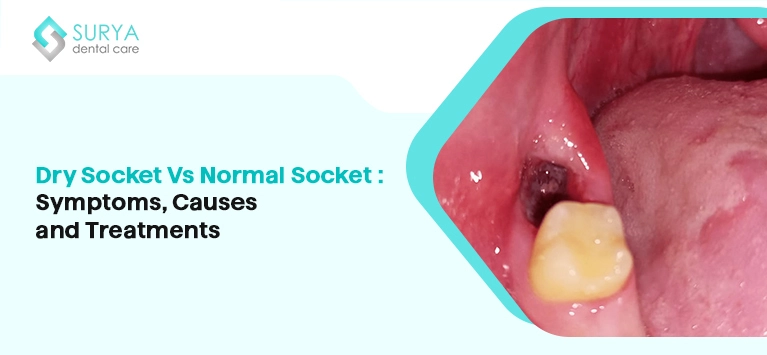
If the clot comes loose, the bone becomes exposed. This condition is called dry socket. It causes sharp pain, delayed healing, and an unpleasant taste or smell.
Your main goal after extraction is simple. Protect the clot. Everything you eat or drink during the first few days should help keep it in place.
What Can I Eat 24 Hours After Tooth Extraction?
The first 24 hours are the most delicate period. Your mouth is swollen, and the clot is still forming.
Stick to foods that require no chewing and minimal movement.
Safe foods in the first 24 hours
- Plain yogurt or Greek yogurt
- Applesauce or mashed banana
- Lukewarm soups and broths
- Smoothies without seeds
- Ice cream or pudding
- Soft scrambled eggs
Avoid hot foods completely. Heat can disturb the clot.
Do not use a straw. Suction can pull the clot out before it settles.
Eat slowly. Use a spoon. Keep food cool or at room temperature.
What Can I Eat 3 Days After Tooth Extraction?
By day three, swelling often begins to reduce. Pain should feel less intense, though tenderness may remain.
You can begin adding soft foods that need gentle chewing. Avoid chewing on the extraction side.
Foods you can eat after 3 days
- Soft rice or porridge
- Cooked pasta or noodles
- Mashed potatoes
- Steamed vegetables that mash easily
- Scrambled or boiled eggs
- Ripe avocado
If a food needs force to chew, it is still too early.
What Can I Eat 6 Days After Tooth Extraction?
By day six, most people feel more comfortable eating. Healing is ongoing, but the risk of disturbing the clot is lower.
You can expand your diet, as long as textures remain soft.
Foods suitable after 6 days
- Soft bread without crust
- Minced chicken or flaky fish
- Well cooked vegetables
- Soft cheese
- Oats with milk and fruit
Chew slowly and stop if you feel discomfort. Pain is your cue to wait another day.
What Can I Eat 7 Days After Tooth Extraction?
At one week, healing is usually well underway. Mild soreness can still exist, especially after surgical extractions.
Most soft and semi solid foods are safe now.
Foods you can eat after 7 days
- Home cooked meals with soft textures
- Rice with curd or dal
- Pasta dishes without spice
- Soft chapati soaked in curry
Crunchy foods should still be avoided until tenderness fully resolves.
What Can I Eat 10 Days After Tooth Extraction?
Around day ten, many people can return to a near normal diet. The socket continues to close, and new tissue strengthens.
Foods typically safe after 10 days
- Regular meals
- Soft meats
- Cooked vegetables
- Mild crunchy foods if there is no pain
If chewing causes discomfort, slow down. Healing timelines vary.
What Can I Eat After Wisdom Tooth Extraction?
Wisdom tooth extraction often requires more recovery time, especially if surgery was involved.
Follow the same food stages, but expect each phase to last longer. Soft foods remain important for an extended period.
Avoid rice grains, seeds, and spicy food longer than you would after a simple extraction. Wisdom tooth sockets are deeper and take more time to close.
Things to Avoid After Tooth Extraction
Some foods look harmless but can cause real problems.
Foods to avoid until healing is complete
- Chips, toast, popcorn, and nuts
- Sticky foods like chewing gum or caramel
- Spicy or acidic foods
- Carbonated drinks and alcohol
- Foods with seeds or tiny grains
- Hard meats or raw vegetables
If a food feels sharp, sticky, or tough, it does not belong near a healing socket.
Hydration After Tooth Extraction
Your body needs fluids to heal. Dehydration slows recovery.
Sip water throughout the day. Avoid straws entirely. Skip alcohol and fizzy drinks until healing is complete.
Plain water and mild herbal teas are your safest options.
Smart Oral Care While Healing
What you eat matters, but how you care for your mouth matters just as much.
Follow these basics
- Do not rinse for the first 24 hours
- Rinse gently with warm salt water after day one
- Brush carefully and avoid the extraction site
- Do not smoke or use tobacco
- Rest well and avoid heavy physical activity
Healing improves when you let your body do its job.
Signs You Are Healing Well
You are on track if you notice:
- Pain and swelling reducing each day
- No continuous bleeding
- Improved mouth opening
- No bad smell or taste
Simple extractions usually heal within 7 to 10 days. Surgical extractions take longer.
When to Call Your Dentist
Contact your dentist if you experience:
- Severe pain after day three
- Persistent bleeding or swelling
- Pus or foul odor from the socket
- Fever or chills
These signs may indicate infection or dry socket and need prompt care.
Takeaway
Recovering from a tooth extraction does not need to be stressful. Soft foods, patience, and gentle care make a real difference.
Protect the clot. Eat wisely. Stay hydrated. Healing follows.
For post extraction care and consultation in Trichy, contact Surya Dental Care.
Do not rush crunchy or spicy foods. Your mouth will appreciate the restraint.