

Key Facts
- Plaque vs Tartar: Plaque is soft and removable with brushing, while tartar (dental calculus) is hardened plaque that only dentists can remove safely.
- Tartar formation: Plaque can harden into tartar within 24–72 hours if not removed, especially around the gumline.
- DIY myth: Baking soda, charcoal, or home remedies cannot remove tartar — they risk damaging enamel and gums.
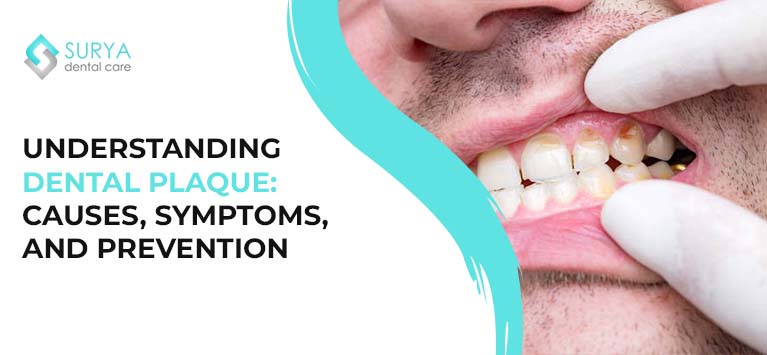
- Appearance: Tartar breaking off looks like rough, hard fragments in yellow, off-white, or brown shades — never smooth like stains.
- Risk factors: Poor hygiene, smoking, dry mouth, high-sugar diet, crowded teeth, and even genetics accelerate tartar buildup.
- Complications: Untreated tartar can cause cavities, gum disease, bad breath, and tooth loss.
- Best prevention: Brush twice daily with fluoride toothpaste, floss daily, use antibacterial mouthwash, and get professional cleanings every 6 months.
More than 50% of adults have dental tartar. Most are not careful about their teeth, so dental plaque builds up. If that plaque is not cleared within 24 – 72 hours, it will become hard and form tartar. Tartar buildup can lead to difficulty brushing, cavities, gingivitis, and bad breath. Tartar cannot be removed at home. Only dental professionals can remove it, as tartar is strongly bonded with tooth enamel.
First, you need to know about plaque and how it turns into tartar. This blog post explains all that, along with why tartar breaks off teeth, what tartar looks like when it breaks off, and how to prevent tartar buildup. Also, read in detail on can you remove tartar at home?
What is a Dental Plaque?
Plaque is a sticky film containing bacteria that forms on the surface of the teeth both above and below the gum line. Bacteria are present in the mouth to help in digestion. When saliva mixes with food and fluids, bacterial deposits are produced, which are stored in the teeth and form a sticky film called plaque.
Plaque contains bacteria that produce dangerous acids that can attack tooth enamel and damage the gums. If bacterial buildup is not cleared through regular flossing and brushing, it could cause tooth decay, gum disease, and tartar buildup.
What is Tartar?
Tartar is a hardened dental plaque. If you do not regularly clear plaque buildup, it can become difficult to remove the hardened plaque, which is called tartar.
Dental plaque can be removed by flossing and brushing, but tartar, also called dental calculus, can only be removed by a dentist or hygienist.
Can You Remove Tartar at Home?
Many people often ask “how to remove tartar from teeth without dentist?” or “how to get rid of tartar on teeth at home?”. While it’s possible to remove dental plaque through regular brushing and flossing, tartar is a different story. Once plaque hardens into tartar (also known as dental calculus), it bonds tightly to the tooth surface and cannot be removed with home remedies.
There are many DIY methods circulating online, such as using baking soda, hydrogen peroxide, or activated charcoal, claiming to remove tartar. However, none of these methods are clinically proven to completely eliminate tartar. In fact, trying to remove tartar at home may lead to enamel damage or gum irritation if done improperly.
So, if you’re wondering how to get rid of tartar on teeth at home, the best solution is preventing plaque from turning into tartar in the first place. Brushing twice a day with fluoride toothpaste, flossing daily, and using an antibacterial mouthwash are effective preventive measures.
If you’re already dealing with hardened tartar, the only safe and effective way to remove it is through professional dental cleaning. Dentists use specialized tools like ultrasonic scalers to remove tartar without damaging your teeth or gums. So, while the question “how to remove tartar from teeth without dentist?” is common, the honest answer is — you shouldn’t. Always consult your dentist for safe and proper tartar removal.
Tartar vs Stains: How to Tell the Difference
Not all tooth discoloration is tartar.
Tartar sticks to the gumline and feels rough. Stains from tea, coffee, or smoking might look similar but usually polish off. If your teeth feel smooth, it’s likely a surface stain. If they feel crusty, you’re dealing with tartar.
How Fast Does Tartar Form After a Cleaning?
Plaque forms within hours after brushing. Leave it alone for a day or two, and it hardens into tartar—faster if you have dry mouth or high-calcium saliva. If you don’t floss or skip your molars, you’re handing tartar a fast pass.
Why Some People Get Tartar Sooner
Some mouths make more plaque. Blame genetics, diet, saliva chemistry, or that antihistamine you take for allergies. Smokers and folks with braces or crowded teeth are especially prone. It’s not always about technique—it’s sometimes about biology.
Can Kids Get Tartar?
Yes.
Baby teeth are just as prone to buildup, especially if kids sip juice all day or forget to brush. Tartar usually shows up behind the lower front teeth. Catch it early to avoid bigger problems later.
What causes mouth tartar?
Mouth tartar is caused due to improper oral hygiene. Tartar is usually caused by the buildup of dental plaque, which builds up in the mouth regularly. Regular flossing and brushing can clear it up.
Can tartar buildup cause bad breath?
Yes, tartar could cause bad breath and bad taste as it could trap food particles between your teeth and gums.
Why Tartar is Breaking Off Teeth
When tartar forms, it bonds tightly to the enamel and gums, often requiring professional cleaning to remove it. However, in certain cases, tartar may break off on its own.
Tartar break-off can happen for a variety of reasons:
- Advanced Buildup: When tartar layers become thick, the buildup can loosen and chip off due to pressure from chewing or brushing.
- Diet or Lifestyle Factors: Hard or crunchy foods can sometimes dislodge tartar, especially if it has formed around the gumline.
- Underlying Dental Issues: Conditions such as gum disease, cavities, or weakened tooth enamel may cause tartar to break off and compromise tooth structures.
- Improper Brushing or Flossing: Excessive force during brushing or flossing can occasionally cause tartar fragments to come loose, although this is not a reliable way to remove tartar.
- Age of Tartar: Older deposits of tartar can become more brittle over time, cracking or flaking off in pieces.
What Does Tartar Look Like When It Breaks Off?
When tartar breaks off from the teeth, it often appears as small, hard, irregularly shaped pieces. These fragments are usually off-white, yellowish, or brown, depending on the duration of buildup and the presence of stains from food, drink, or smoking. Some common characteristics include:
- Size and Shape: Tartar can break off in various sizes, from tiny, sand-like granules to larger, pebble-sized chunks. The pieces are usually rough and gritty to the touch.
- Color: Fresh tartar tends to be pale yellow or off-white, while older tartar may appear darker due to the absorption of stains from coffee, tea, tobacco, or other substances.
- Texture: When you touch or rub a tartar fragment, it feels hard, almost like a grain of sand or a small stone. It may also feel sharp or jagged, especially if it has broken off from an area around the gumline.
- Consistency: Since tartar is calcified, it is much harder and more brittle than regular plaque. Therefore, when it breaks off, it feels solid rather than sticky or soft, like food debris or plaque.
Takeaway
Proper oral hygiene, like regular flossing and brushing, is the proper way to avoid plaque buildup and tartar. A professional dentist should remove Tartar or dental calculus. Even if you notice pieces of tartar breaking off, it’s crucial to consult your dentist. Tartar removal should be done in a controlled manner, as dislodged pieces can expose sensitive parts of the tooth and gums, leading to further dental complications. Contact Surya Dental Care for removing tartar from the teeth with proper care and advanced treatment methods.
FAQs
If tartar breaks off teeth, it can expose sensitive areas and potentially lead to gum irritation or infection. The remaining tartar can continue to harbor bacteria, contributing to further dental issues. It's essential to consult a dentist immediately for safe removal and to prevent complications like cavities or gum disease.
When tartar breaks off, it typically leaves behind a sharp spot on the tooth. The broken piece may be brown or yellow and can crumble under slight pressure. This can lead to discomfort or sensitivity in the affected area, highlighting the need for a dental check-up to ensure proper treatment.
Tartar on teeth appears as hard, yellowish or brown deposits that can accumulate near the gum line. It feels rough to the touch and can vary in color from light yellow to dark brown or even black. Its presence indicates a lack of proper oral hygiene, as it forms from hardened plaque.
Tartar breaking off is generally not a good sign. It may indicate underlying dental issues such as gum disease or weak enamel. While it can provide temporary relief from tartar buildup, it often signifies that more serious problems exist, necessitating professional dental care to address the root causes effectively.
Oil pulling may help reduce plaque and improve oral hygiene, but it does not remove tartar. Once plaque hardens into tartar, it requires professional cleaning by a dentist or hygienist for safe and effective removal.