

Key Facts
- Most root canals take 30 minutes to 2 hours depending on the tooth type: front teeth are fastest, premolars take slightly longer, and molars require the most time.
- Factors like infection severity, crown placement, patient comfort, and number of roots determine whether the procedure is done in one visit or two.
- The procedure involves cleaning infected pulp, shaping and sealing the canals, and restoring the tooth with a filling or crown; anesthesia ensures it is not painful.
- Recovery usually takes a few days, with full function restored after crown placement; with proper care, a root canal-treated tooth can last decades.
Root canals get a bad reputation. Most of it is outdated. If you’ve been told you need a root canal, you’re probably wondering how long you’ll be in that chair. The answer? Not as long as you think. And definitely not as painful as you’ve heard.
Here’s a clear-eyed look at how long a root canal really takes, what affects the timeline, and what to expect during and after the procedure.
What Is a Root Canal?
Inside every tooth, under the enamel and dentin, there’s soft tissue called pulp. It holds nerves, blood vessels, and connective tissue. When that pulp gets inflamed or infected from decay, trauma, or repeat dental work, it has to go.
A root canal removes the pulp, cleans and shapes the canal, and seals it. You get to keep your tooth, skip the pain, and avoid extraction.
Duration of a Root Canal Procedure
Most root canals take 30 minutes to 2 hours. Some finish in one visit. Others need two. It depends on a few things.
Tooth Type Matters
- Front teeth: One root. Straightforward. Takes 30 to 60 minutes.
- Premolars: One or two roots. Slightly longer. Around 60 to 90 minutes.
- Molars: Up to four canals. More time. Expect 90 minutes to 2 hours, sometimes more.
More roots and curves mean more time. That’s not a bad sign, just thorough work.
Infection Severity
Mild infections are usually treated in one go. Heavier infections or re-treatments need two sessions where on the first visit cleaning is done and on the second visit sealing is done.
Crowns Add Time
If your tooth needs a crown, you’ll likely need more time. Some clinics place them the same day. Others book a follow-up.
Patient Variables
If you’re anxious, sensitive, or need breaks, the appointment might stretch out. Dentists adjust pace for comfort and quality.
What Happens During a Root Canal?
Imaging and Diagnosis
X-rays assess damage. Sometimes already done during the prior visit. It takes 10 to 30 minutes.
Anesthesia
Local anesthetic numbs the tooth. Just pressure, no pain. It takes 5 to 10 minutes.
Isolation
Rubber dam goes in to isolate the tooth. Keep it dry. 2 to 5 minutes.
Access and Cleaning
Tooth is opened. Infected pulp removed. Canals cleaned and disinfected. Longest step. Takes 30 to 90 minutes.
Shaping and Filling
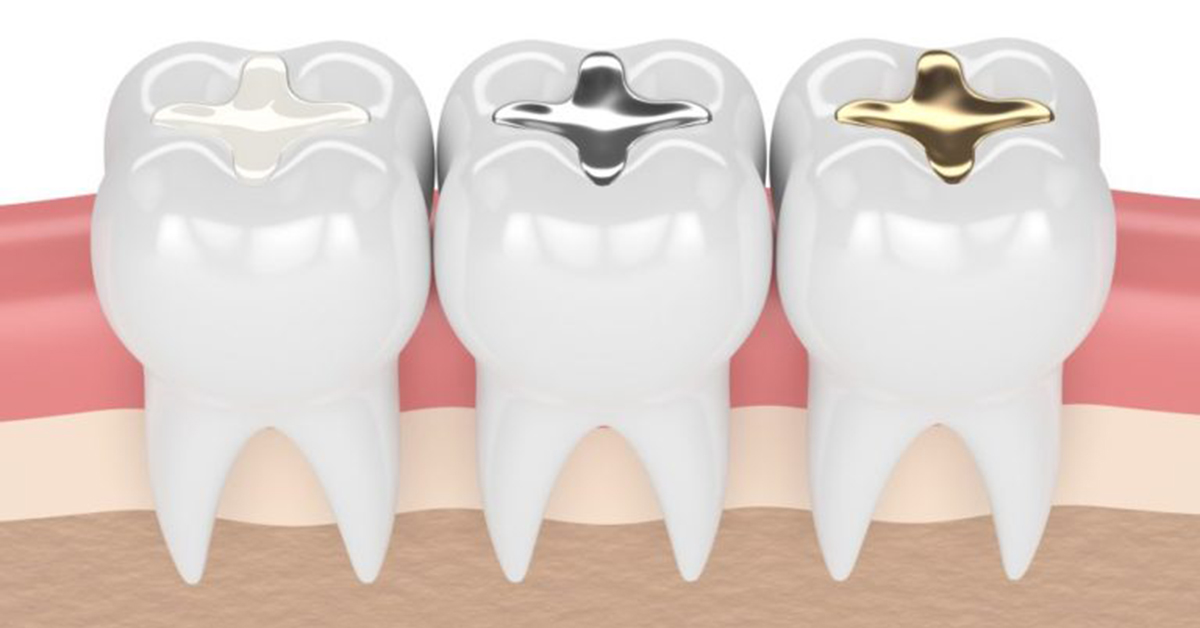
Canals shaped and filled with gutta-percha. This rubbery material seals it tight. Takes 15 to 40 minutes.
Temporary or Permanent Filling
Access hole sealed. If you’re getting a crown, it’s usually a temporary filling for now. 5 to 15 minutes.
Final Restoration
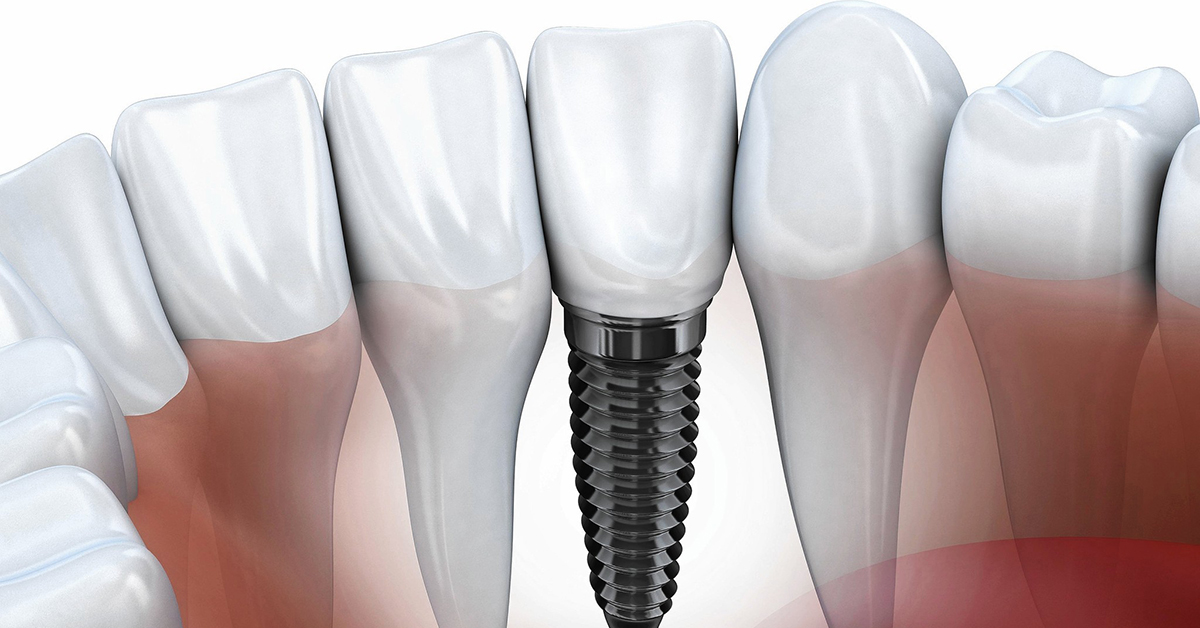
Crowns are added later or same day. Adds 15 to 60 minutes, depending on workflow.
Technology Use
Some clinics use apex locators, rotary instruments, or cone-beam CT imaging. These help with precision and speed. It might shave off a few minutes but mostly ensures accuracy.
Two-Visit Cases
The first visit might place antibacterial medication. A temporary seal goes in. The second visit removes it and completes the root canal. Useful for persistent infections or if swelling needs to subside.
What About the Pain During Root Canal Procedure?
Modern root canals aren’t painful. Local anesthetic works well. Most patients say the infection hurt more than the procedure.
Post-op, expect soreness or tenderness for a couple of days. OTC meds like ibuprofen usually handle it.
Sharp pain days later or swelling? Call your dentist. Could be a rare missed canal or flare-up.
Recovery Timeline
- Day 1: Rest. Don’t chew on the treated side. Use meds if needed.
- Days 2–3: Some soreness lingers.
- Days 4–7: Most people feel back to normal.
- Weeks later: Place that crown if needed. Don’t skip it. Root-filled teeth are brittle.
If you delay your crown, that tooth might crack. That’s a step backward. Don’t wait.
Why Some Take Two Visits
Multiple visits aren’t a red flag. They’re often planned that way. Reasons include:
- Serious infection
- Hard-to-find canals
- Custom crowns
- Time constraints
A second session is usually about safety, not failure.
Can You Prevent Root Canals?
Most are preventable with basic care:
- Brush with fluoride twice daily
- Floss every day
- Don’t ignore cavities
- Visit your dentist regularly
Avoid chewing ice or pens. Teeth aren’t tools.
Sometimes accidents happen, or cracks go deep. But good habits lower the odds.
Long-Term Success: What You Should Know
A well-done root canal can last decades, especially if the crown is placed on time. But follow-up matters. Attend recall appointments. Get X-rays if your dentist recommends them.
If you clench or grind your teeth, a night guard can help protect the work. Prevention doesn’t end after the procedure.
Dental insurance might cover part or all of the root canal and crown. Ask your provider before booking to avoid surprises.
Takeaway
Root canals take time, but they aren’t torture. They’re precision work to save a tooth. Whether it takes 45 minutes or two hours, it’s worth doing right.
Contact Surya Dental Care in Trichy for a painless root canal done by experienced hands.