

Key Facts
- Definition: Phasing restorative dental treatment means breaking comprehensive treatment into sequential steps to stabilize oral health before full restoration.
- Main goal: To restore function and structure while ensuring patient comfort, stability, and long-term predictability.
- Why phase treatment? Patients may face physical, emotional, or financial limitations; dentists use phased care to build trust and affordability.
- Urgent phase: Immediate relief of pain or emergency issues such as abscesses, fractures, or uncontrolled infections.
- Control phase: Focuses on reducing disease activity, stabilizing gums and teeth, and improving oral hygiene before definitive care.
- Re-evaluation phase: Allows healing time, checks treatment effectiveness, and adjusts preventive measures if necessary.
- Definitive phase: Corrective and reparative care such as fillings, crowns, implants, orthodontics, or surgical interventions.
- Maintenance phase: Regular recall visits, cleanings, and supportive therapy to preserve treatment outcomes and prevent relapse.
- Benefits for patients: Affordable step-by-step care, less overwhelming psychologically, and better adaptation to treatment plans.
- Benefits for dentists: More predictable outcomes, stronger patient compliance, and the ability to tailor treatments to patient readiness.
Comprehensive dentistry presents many difficulties because people frequently require several restorations. The optimal restoration for patients may involve periodontic, endodontic, orthodontic, or surgical therapy, which takes time and money.
Most patients may not be psychologically or financially ready to complete the entire treatment procedure simultaneously.
So, the dentist also might be concerned about stabilizing the patient’s masticatory system before arranging a complete course of treatment.
This blog will teach you about restorative dental treatment and how phasing restorative dental treatment can benefit both patients and doctors.
What is phasing restorative dental treatment?
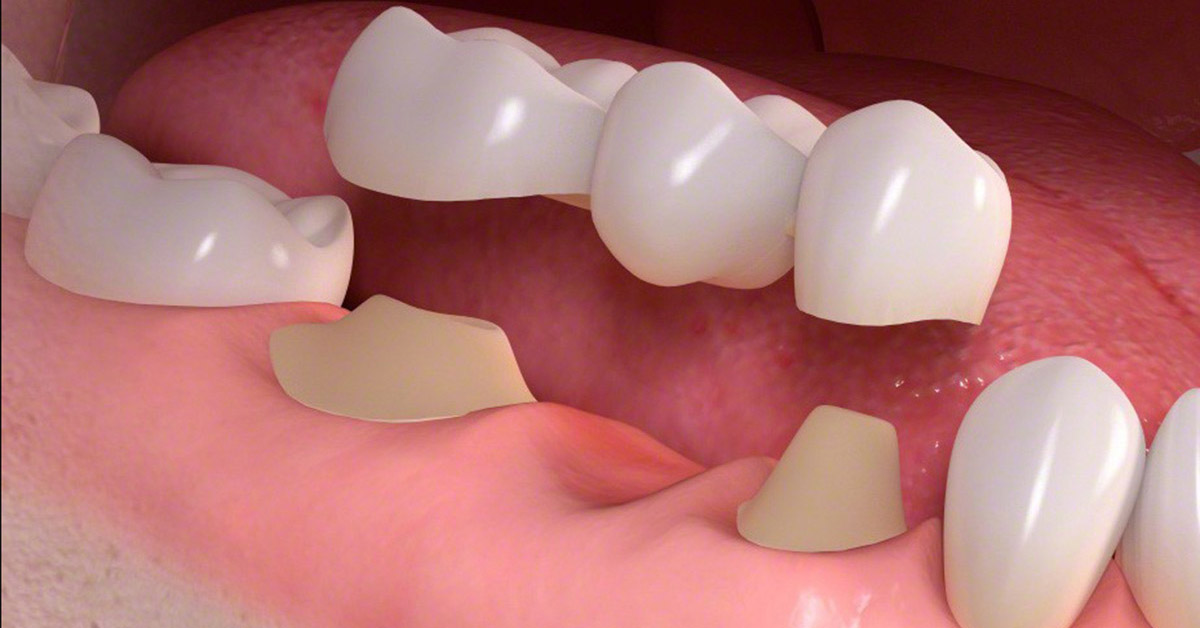
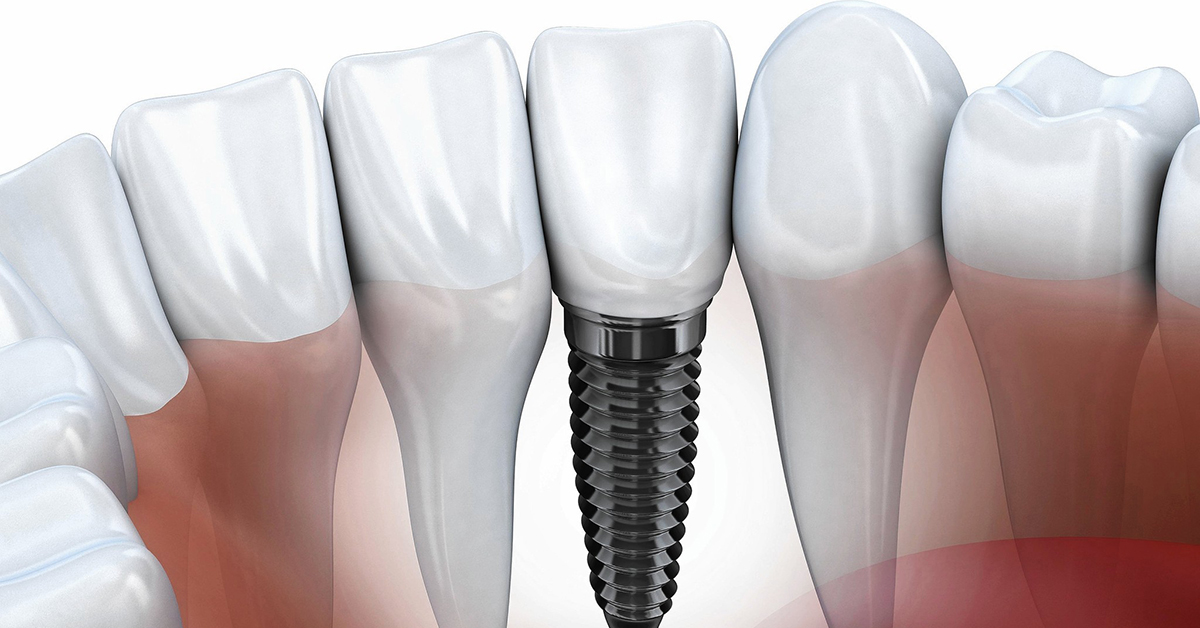
The restorative phase is the second stage of the periodontal treatment plan. The main objective of this restorative phase is to rebuild the lost structures through techniques like occlusal adjustment, orthodontic treatment, or the implantation of prosthetics or implants.
Promoting the patient’s stability is one of the main goals of any treatment plan. The success of the treatment plan depends on the dentist’s capacity to examine and diagnose the biological and functional aspects of the patient’s oral health.
Understanding the components and maintaining the stability of each phase is the only way to ensure long-term, predictable outcomes.
Knowing the potential reasons for phasing dental treatment
It is essential to take into account the potential reasons a patient might be hesitant to agree to comprehensive treatments.
To calm the patient’s concerns and earn their trust, it is important to acknowledge these factors and place them front and center in the treatment planning decision.
- Patient’s physical stability
- Mental stability
- Emotional stability and
- Financial stability
The phases of dental restorative treatments
Dental restorative treatment plans often require phase sequencing, including the urgent, control, re-evaluation, definitive, and maintenance phases.
1) Urgent phase
During the initial or urgent phase, the dental professional should address the patient’s immediate main complaint or any other urgent care requirements.
2) Control phase
In this second phase of the treatment, most dental professionals work to improve the patient’s oral health. During this phase, the dentist’s main goal is to reduce the incidence of oral disease and stabilize the patient’s health.
3) Re-evaluation phase
The third phase gives the dentist a chance to pause and review. The goal of this phase is to give the patient’s body time to heal, evaluate treatments, and reinforce messages about preventing dental diseases. And it also enables the dentist to check in on their patients to see how they are doing and whether any at-home preventive regimens need to be adjusted.
4) Definitive phase
Following the re-evaluation phase, the definitive phase focuses on corrective and reparative care. The dentists can reevaluate the patient’s needs during this period and decide whether they need additional care. This might involve referring patients to specialists in endodontics, periodontics, braces, oral surgery, special needs, prosthodontics, or pediatric dentistry.
5) Maintenance phase
The final phase concentrates on supportive therapy to preserve the patient’s oral health. This will involve setting up a recall session for the patient’s following dental checkup and review.
Bottom line
Phasing dental treatments could be a gateway for people actively looking for the solution to their dental issues to afford them.
The dentist carefully examines each patient and identifies any potential risk factors that could result in a problem in the future, which leads to the successful completion of phasing treatment.